
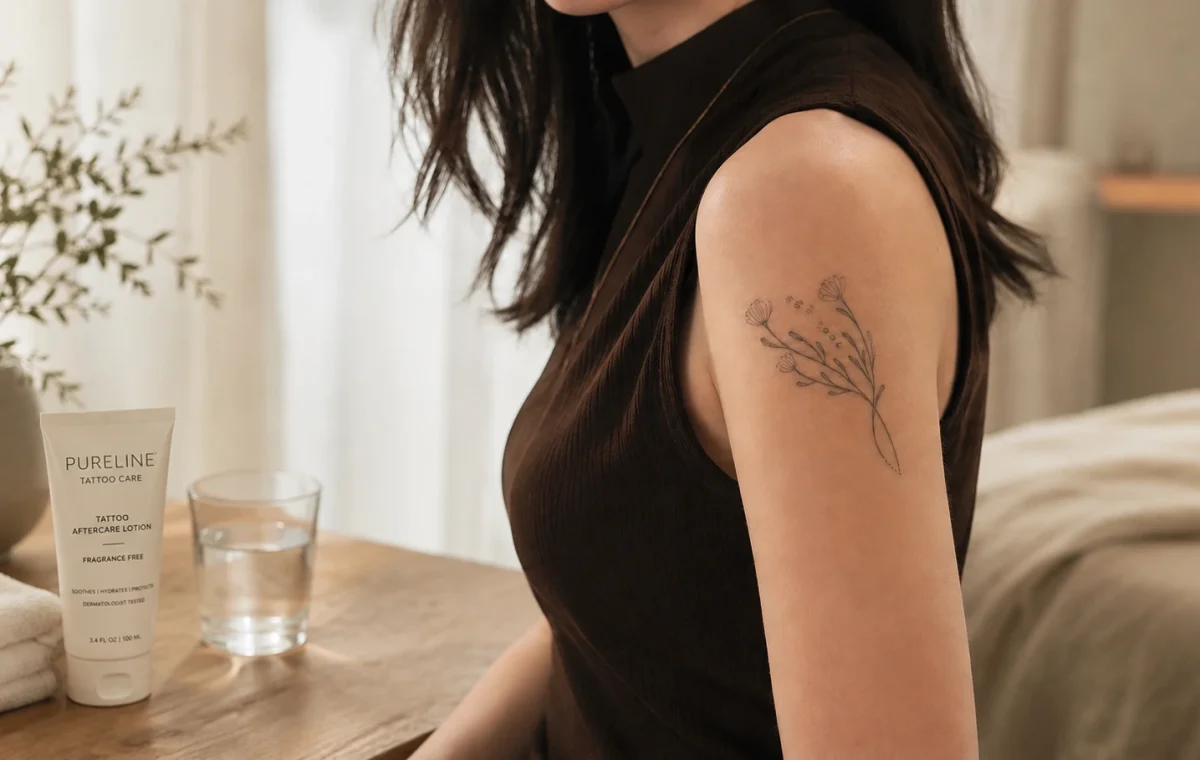
So you’ve just gotten a small tattoo. The fun part is over, and now it’s your turn to help it heal. That might sound like a lot, but looking after a small or fine-line piece is usually pretty simple once you know a few basics.
Here’s what to do from the first hour through the next few weeks of healing, what’s normal along the way, and when it’s worth checking in with your artist or a healthcare professional. Keep it nearby and check back whenever something feels off.
Quick answer: Keep your new tattoo clean, lightly moisturized, and out of the sun. Wash it gently once or twice a day, pat it dry, and let it breathe. Many small tattoos look healed on the surface within about two weeks, though deeper skin layers keep settling for longer. Always follow your own artist’s instructions first.
What Tattoo Aftercare Really Means
Aftercare is simply how you protect and clean your tattoo while your skin repairs itself. A fresh tattoo is healing skin, so it needs gentle care, even when the design is tiny. The needle places ink below the top layer of skin, and your body treats that as something to heal.
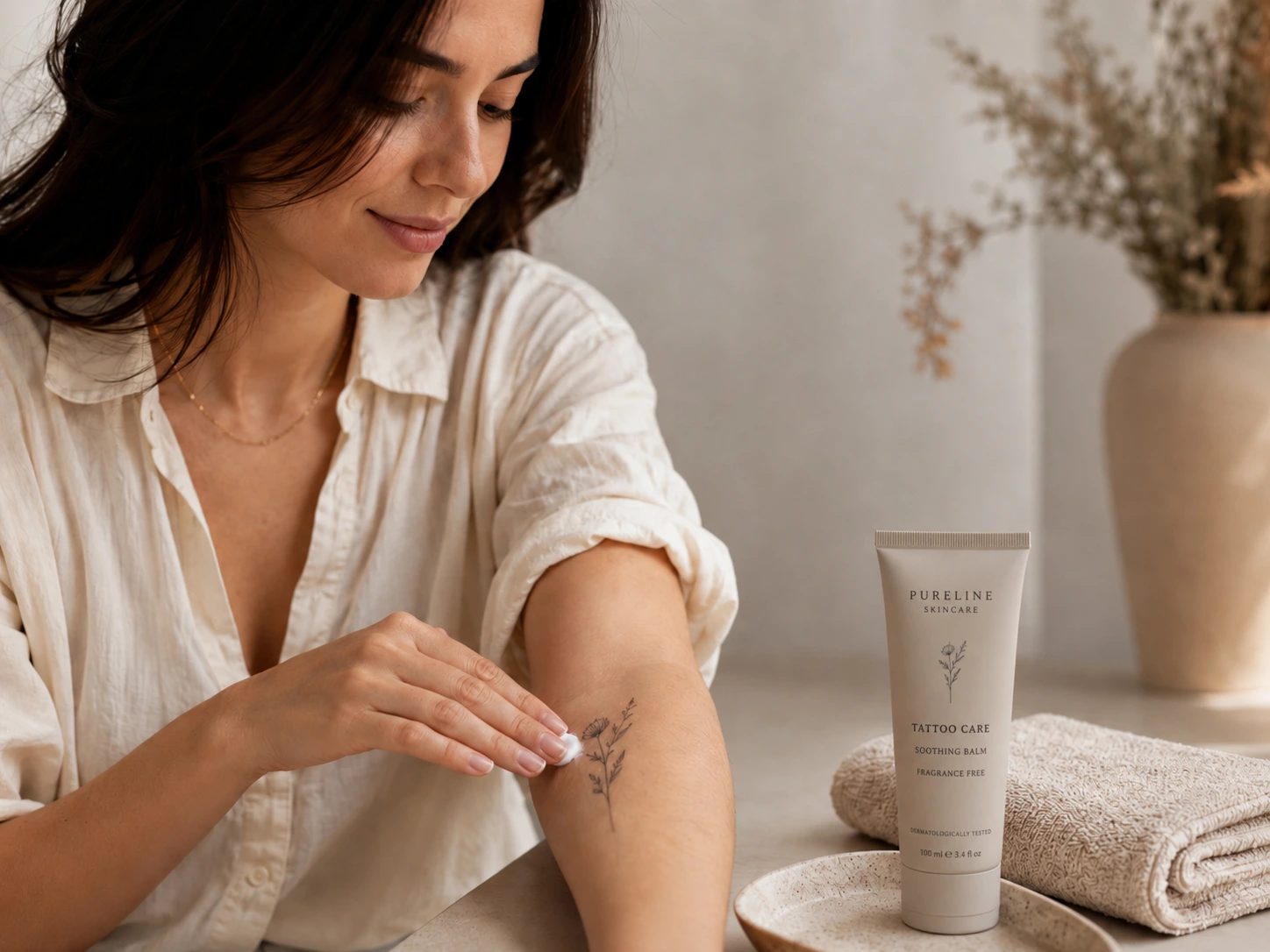
Your job during healing is easy: keep the area clean, keep it lightly moisturized, and don’t disturb it. That’s really the heart of it. Everything else is just detail.
Small tattoos have one nice advantage here. Less surface area usually means less to manage and a more relaxed healing process. Still, the basics matter just as much for a fingertip-sized design as they do for a full sleeve.
One rule sits above all the others. Your tattoo artist knows the exact work they did on your skin, so their written instructions always come first. If anything in this guide differs from what your artist told you, follow your artist.
What to Expect After Getting a Small Tattoo
Right after your session, the area will look a little red and feel tender, almost like a mild sunburn. That’s normal. The skin around the tattoo may feel warm or slightly swollen for a day or two, especially on softer spots.
You’ll probably leave the studio with a covering over the tattoo. This might be a simple plastic wrap or a clear, breathable adhesive film that stays on for a few days. Both are fine. The type depends on your artist’s method, which is another reason to listen to their advice.
Over the next couple of weeks, your tattoo moves through a few stages. It may ooze a little clear fluid at first, then dry out, then flake or peel like a light sunburn. After that, it can look dull or cloudy for a short while before the color settles. All of this is part of normal healing, and it usually calms down on its own.
Healing time varies from person to person. Placement, your skin, and how well you follow aftercare all play a role. Some spots also hurt more than others while you sit for the work, which can shape how careful you feel afterward.
The First 24 Hours After a Tattoo
The first day sets the tone, so keep it simple and gentle.
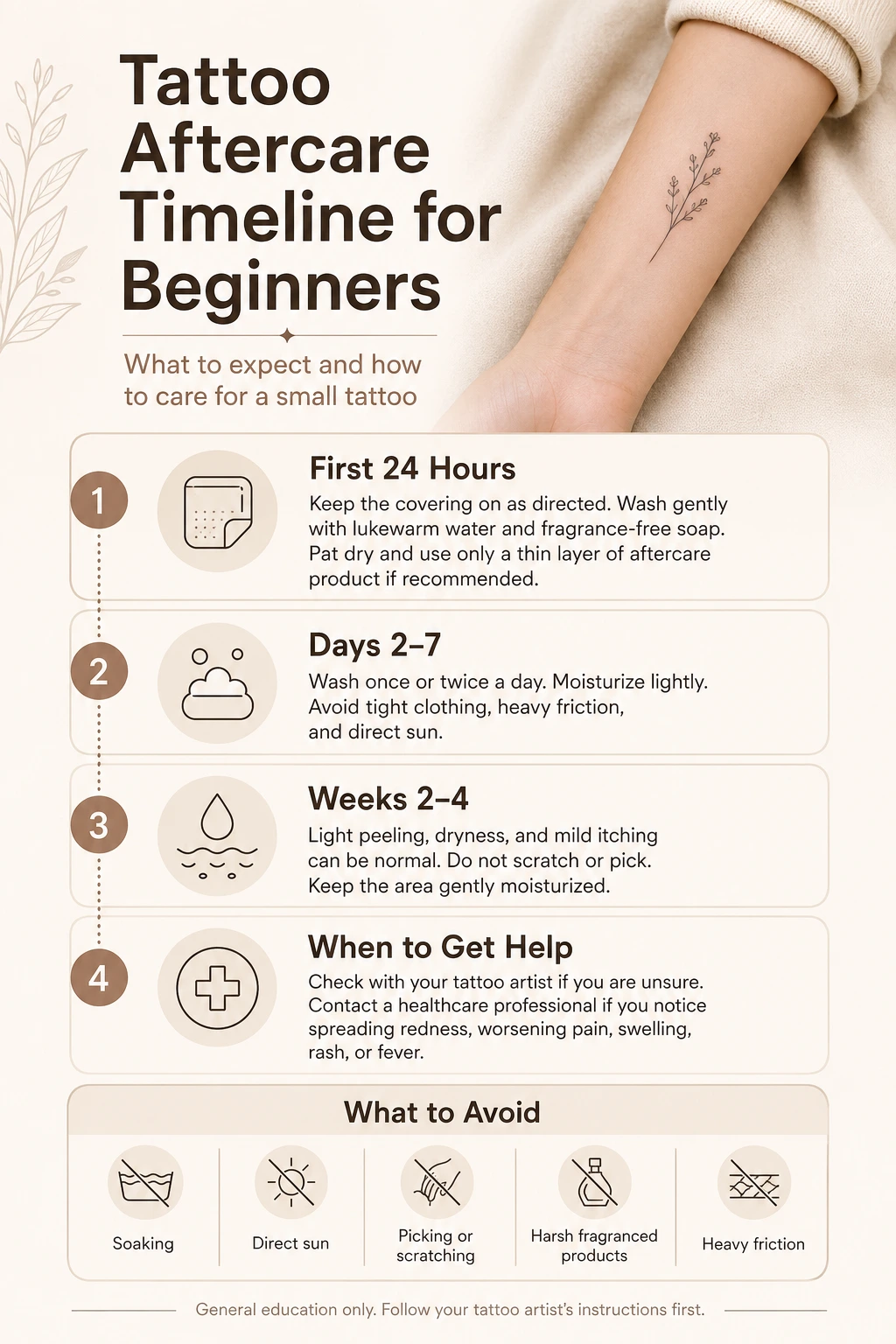
Leave the covering on as directed
Your artist put that wrap or film on for a reason. It protects the fresh tattoo from bacteria and rubbing. Leave it on for as long as they tell you, which could be a couple of hours for basic wrap or several days for adhesive healing film. Don’t second-guess the timing.
Wash your hands, then the tattoo
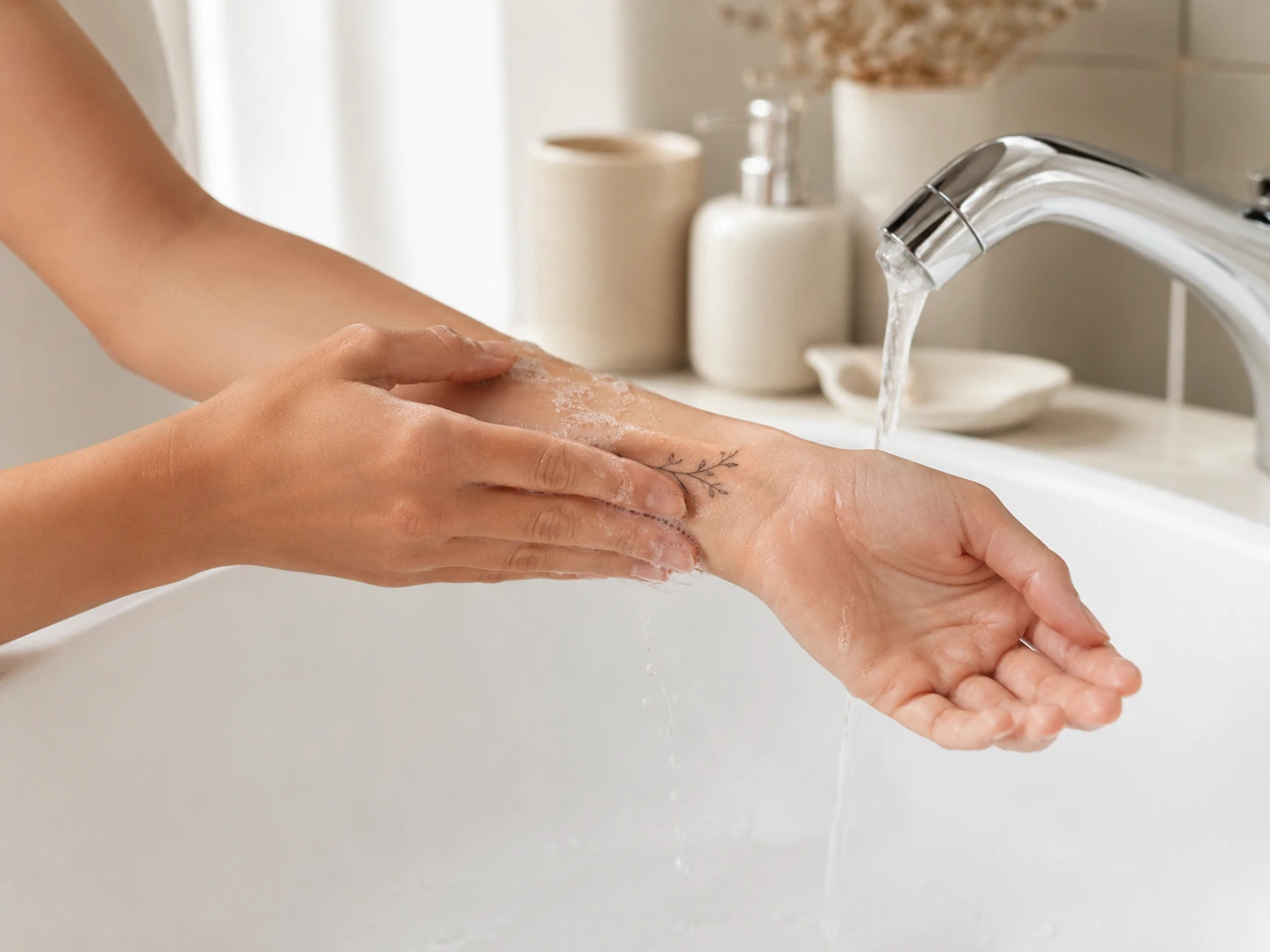
When it’s time to remove the covering, wash your hands well first. Then rinse the tattoo with lukewarm water and a small amount of fragrance-free, gentle soap. Use your clean fingertips, not a cloth or sponge. Rinse away any leftover fluid.
Pat dry and let it breathe
Gently pat the area with a clean paper towel or a fresh, soft towel. Never rub. Once it’s dry, you can apply a very thin layer of the product your artist recommended, or simply let the skin rest if that’s their advice. Less is more here.
That first night, try to sleep in a position that keeps pressure off the tattoo. Fresh sheets help too.
Days 2–7: Cleaning, Moisturizing, and Protecting Your Tattoo
The first week is mostly a gentle routine you repeat. Nothing fancy, just consistency.
Keep a simple cleaning schedule
Wash the tattoo once or twice a day with lukewarm water and a gentle, fragrance-free cleanser. Use light fingertip pressure, rinse, and pat dry. Morning and evening works well for most people. If you sweat or the area gets dirty, a gentle extra wash is fine.
Moisturize lightly
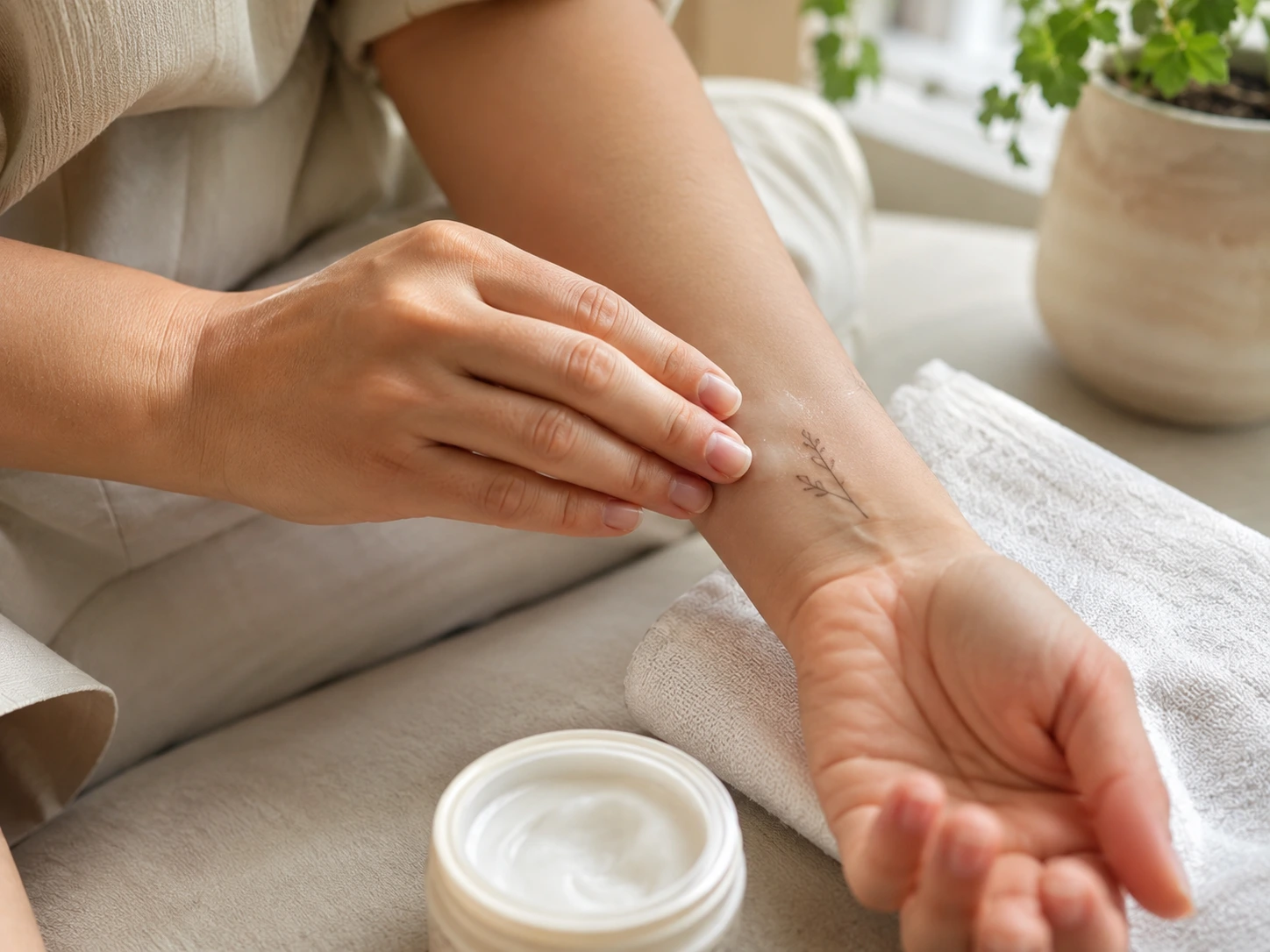
After the skin is dry, apply a thin layer of a fragrance-free moisturizer or the aftercare product your artist suggested. The goal is soft, comfortable skin, not a thick, shiny coat. Too much product can trap moisture and slow things down. If your tattoo looks greasy, you’ve used too much.
Protect it from the world
During this stretch, your tattoo is still settling. Keep it away from direct sun, dirt, and heavy friction from clothing. Loose, soft fabrics are your friend. If the tattoo sits somewhere that rubs against a waistband, strap, or sleeve, plan your outfits with that in mind.
You may notice light scabbing or flaking starting toward the end of this week. Don’t pick at it. Let your skin do its thing.
Weeks 2–4: Peeling, Dryness, and Normal Healing Changes
By the second week, many small tattoos start to peel. The skin can look dry, tight, and flaky, a bit like a healing sunburn. Small flakes may come off in the shower or when you moisturize. This is normal and usually a good sign.
Itching is common during this phase. It can be tempting to scratch, but try not to. Scratching or picking can pull out ink and leave patchy spots. Instead, a light layer of moisturizer often calms the itch. A gentle tap around the area can help too if it’s driving you a little wild.
You might also notice the tattoo looks cloudy or slightly faded for a while. That milky look is just a new layer of skin forming over the ink. As that layer matures, the color usually brightens back up.
The surface often looks healed within about two weeks, but the deeper layers of skin keep repairing for several more weeks. So even when your tattoo looks done, keep being gentle with it and keep up light moisturizing until it feels fully normal. Healing timelines differ, so don’t worry if yours runs a little faster or slower than a friend’s.
What to Avoid While Your Tattoo Heals
Sometimes knowing what not to do matters just as much as the routine. Here are the main things to skip while your tattoo heals.
- Soaking the tattoo. Skip baths, pools, hot tubs, and open water. Long soaking can soften scabs and invite bacteria. Quick showers are fine.
- Direct sun and tanning. Fresh ink and UV don’t mix. Sun can fade a new tattoo and irritate healing skin. Keep it covered or shaded until it’s healed. Don’t apply sunscreen to a fresh tattoo, either; wait until it’s fully healed, then start using sunscreen long-term.
- Picking and scratching. Let scabs and flakes fall off on their own. Pulling them early can damage the design.
- Heavy sweating and intense workouts. Give tough gym sessions a short break if the tattoo sits somewhere that stretches or sweats a lot. Light movement is usually fine.
- Tight, rough clothing. Friction is the enemy of a fresh tattoo. Choose soft, loose fabrics over the area.
- Fragranced lotions and harsh products. Perfumed creams can sting and irritate. Stick with gentle, fragrance-free options.
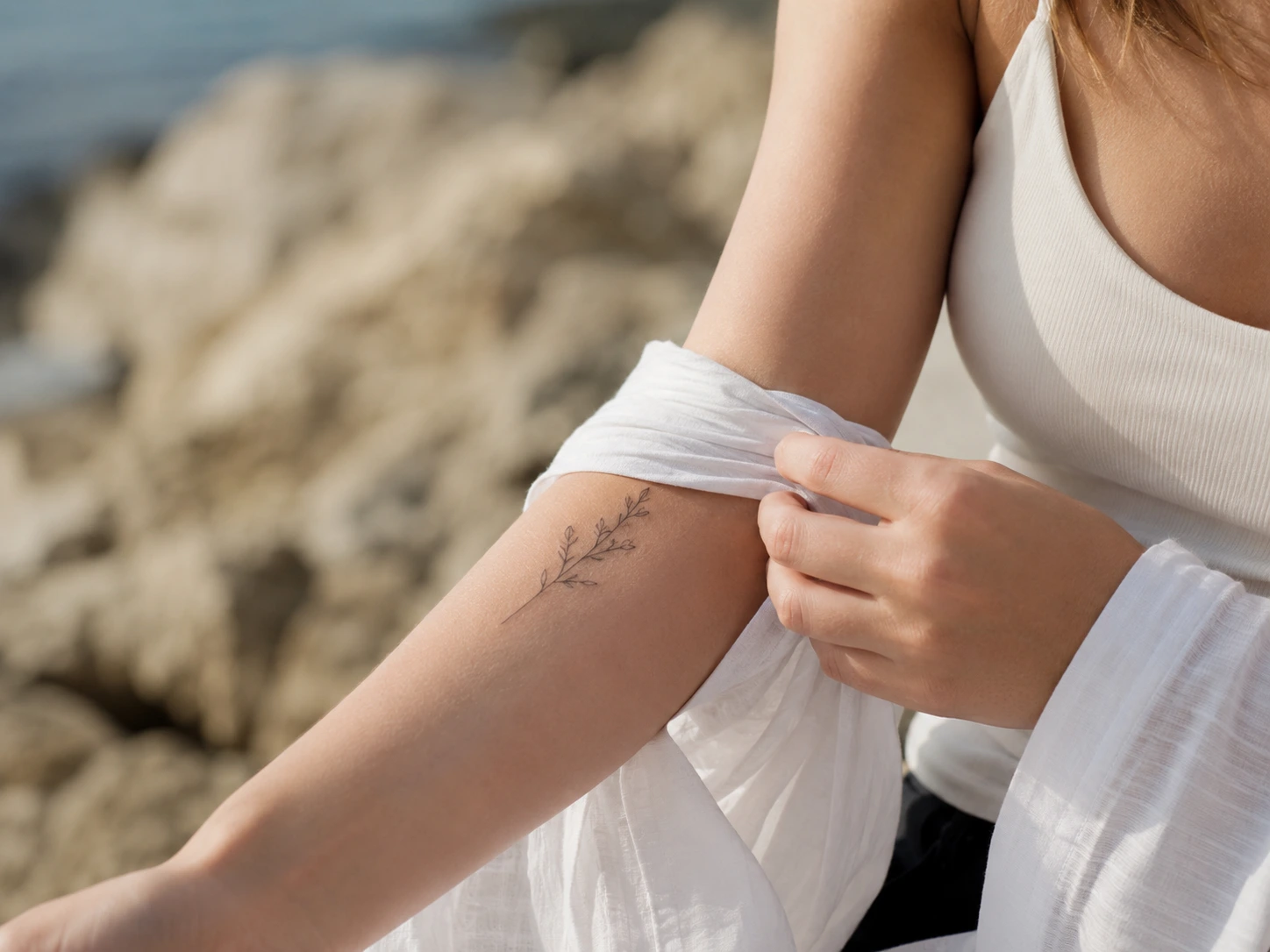
One more note on pain products. The FDA has warned about certain topical numbing or pain-relief products because of possible health risks when used improperly. Don’t use random numbing creams on healing skin unless a professional tells you to.
Aftercare Tips for Small Tattoos and Fine Line Tattoos
Small and fine-line tattoos are lovely, but their delicate detail deserves a gentle hand while healing.
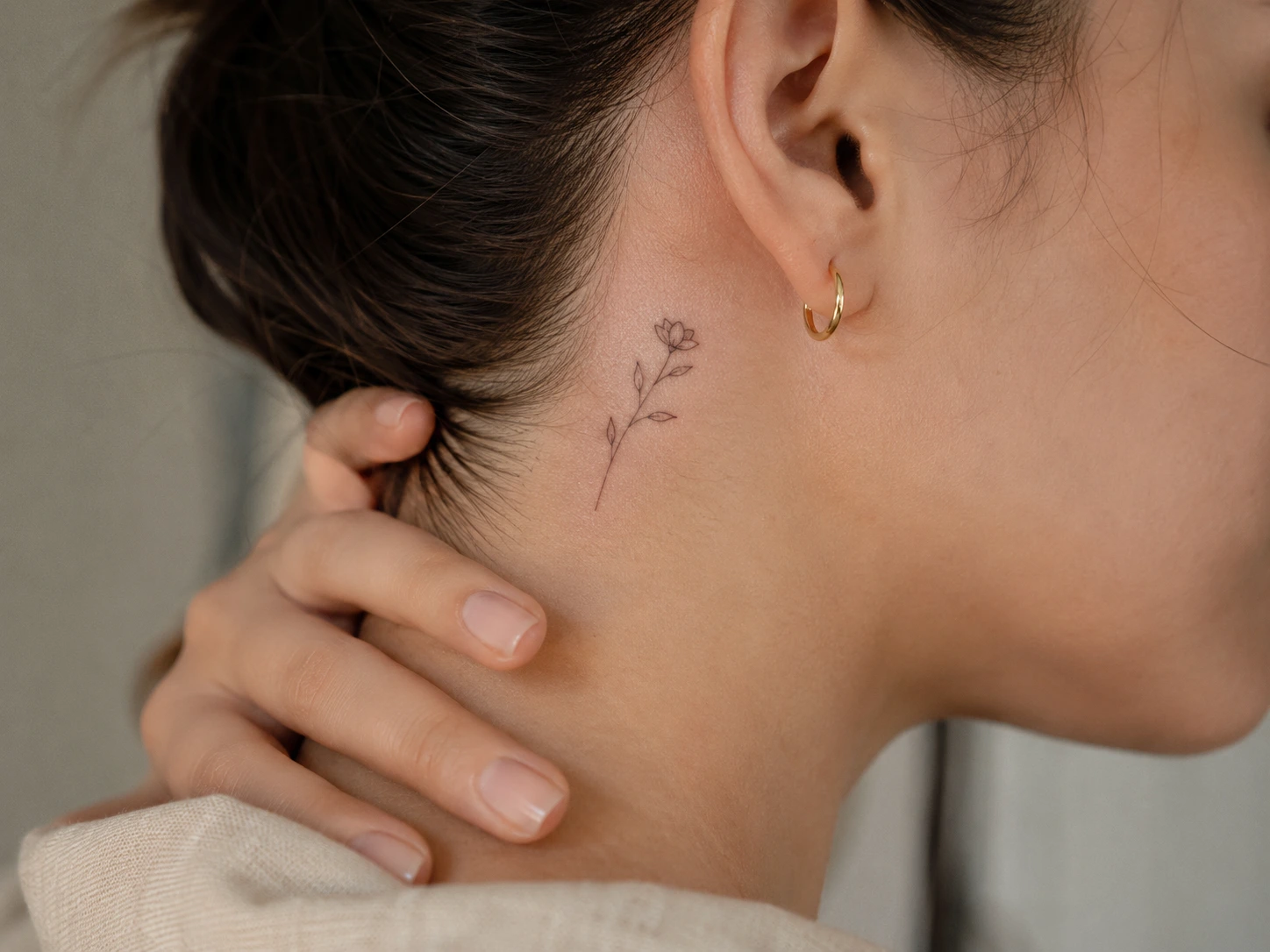
Fine lines are thin by design. That means heavy scabbing, picking, or too much friction can affect those crisp lines more than they would a bold, chunky tattoo. Being gentle protects the detail you paid for.
Go easy on the moisturizer. A thin layer is plenty for a small piece, and it’s easy to overdo it on a tiny area. You want the skin comfortable, not swimming in product.
Watch the spots that move or rub. Small tattoos often live on fingers, wrists, ankles, collarbones, and behind the ears. Some of these areas bend, rub, or see a lot of daily action, which can make healing a touch more finicky. Loose clothing and a little planning go a long way.
Finally, know that fine-line work can sometimes soften or fade a bit as it settles, and a touch-up down the road is common for delicate designs. That’s a normal part of owning small tattoos, not a sign you did anything wrong.
If you’re still deciding on your next piece, small designs such as butterflies, roses, and semicolon tattoos can all benefit from the same simple, consistent aftercare.
How Tattoo Placement Can Affect Healing
Where you put a tattoo shapes both how it feels to get and how it heals. Some spots simply have an easier time.
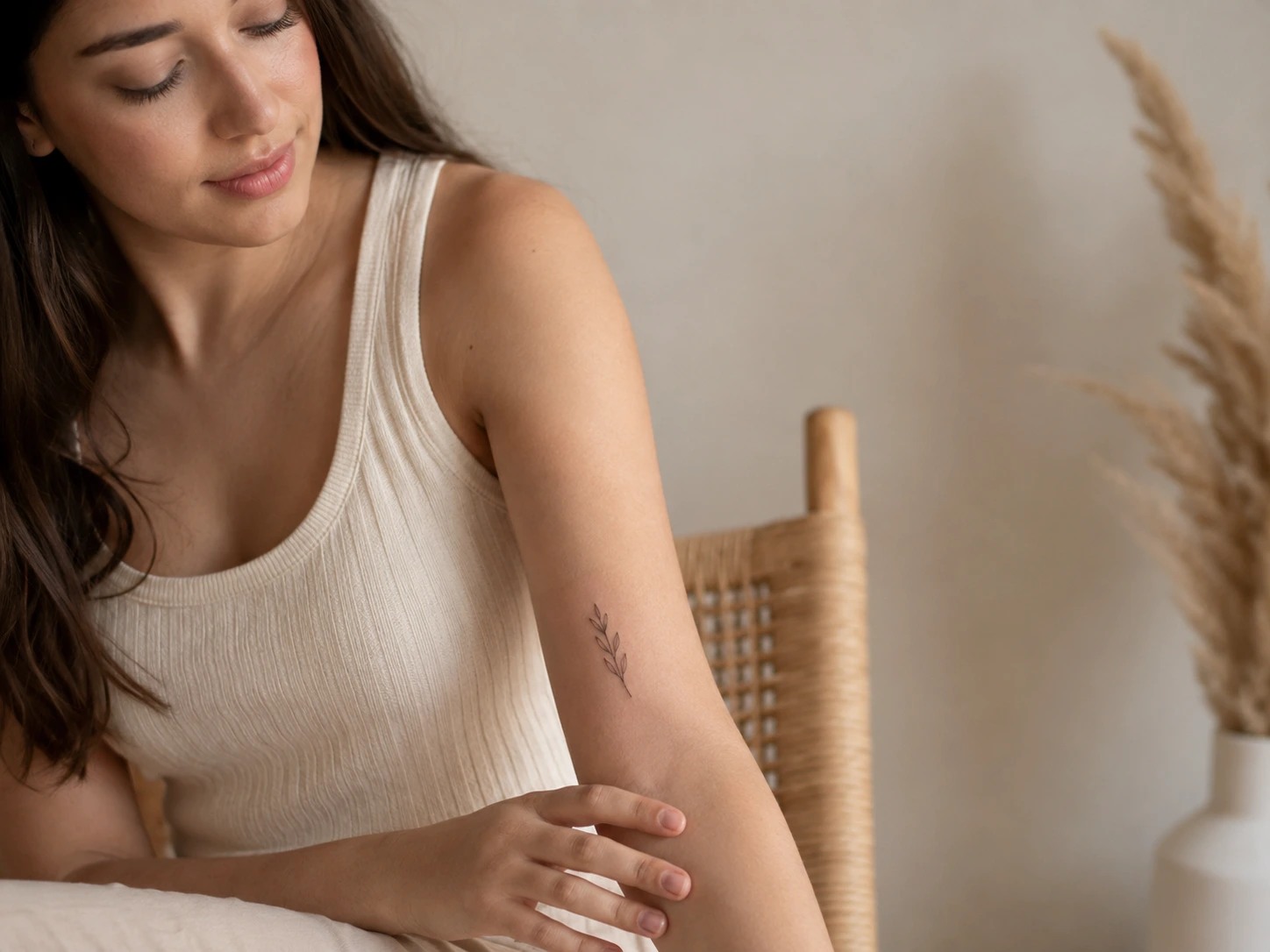
Areas with more movement or friction, like fingers, feet, elbows, and inner wrists, can take a little longer to settle. The skin bends, rubs, and stretches, which gives healing skin more to deal with. Flatter, calmer areas, like the outer forearm or upper back, often feel more straightforward.
Bonier, thinner-skinned spots can also feel more sensitive during healing, since there’s less cushion between the ink and the bone. That same sensitivity is why some placements hurt more during the session. If you’re curious how different spots compare before you book, our tattoo pain chart breaks down why pain and healing vary from place to place, without promising a fixed number for anyone.
Sweat and sun exposure matter too. A tattoo on a spot that sees lots of sun, like the forearm or shoulder, will need extra long-term sun protection once it’s healed. Placement isn’t just about looks, it’s part of your aftercare plan.
Common Beginner Aftercare Mistakes
Most healing problems come from small, avoidable slip-ups. Here are the ones first-timers make most.
Over-moisturizing. Piling on thick cream feels caring, but it can trap moisture and slow healing. A thin layer is enough.
Under-cleaning. Skipping washes to “leave it alone” can let plasma and bacteria build up. Gentle, regular cleaning is better.
Picking at scabs and peels. This is the big one. Picking can pull ink and leave gaps in the design. Hands off.
Sun exposure too soon. A day at the beach with a fresh tattoo is a fast way to fade it. Keep new ink out of the sun.
Using the wrong products. Fragranced lotions, harsh soaps, and random numbing creams can all irritate healing skin. Simple and gentle wins.
Touching it with dirty hands. Always wash your hands before you touch your tattoo. It’s the easiest habit to build and one of the most protective.
When to Ask Your Artist or a Dermatologist
Many small tattoos heal without any trouble. Still, it helps to know the difference between normal healing and something worth a second look.
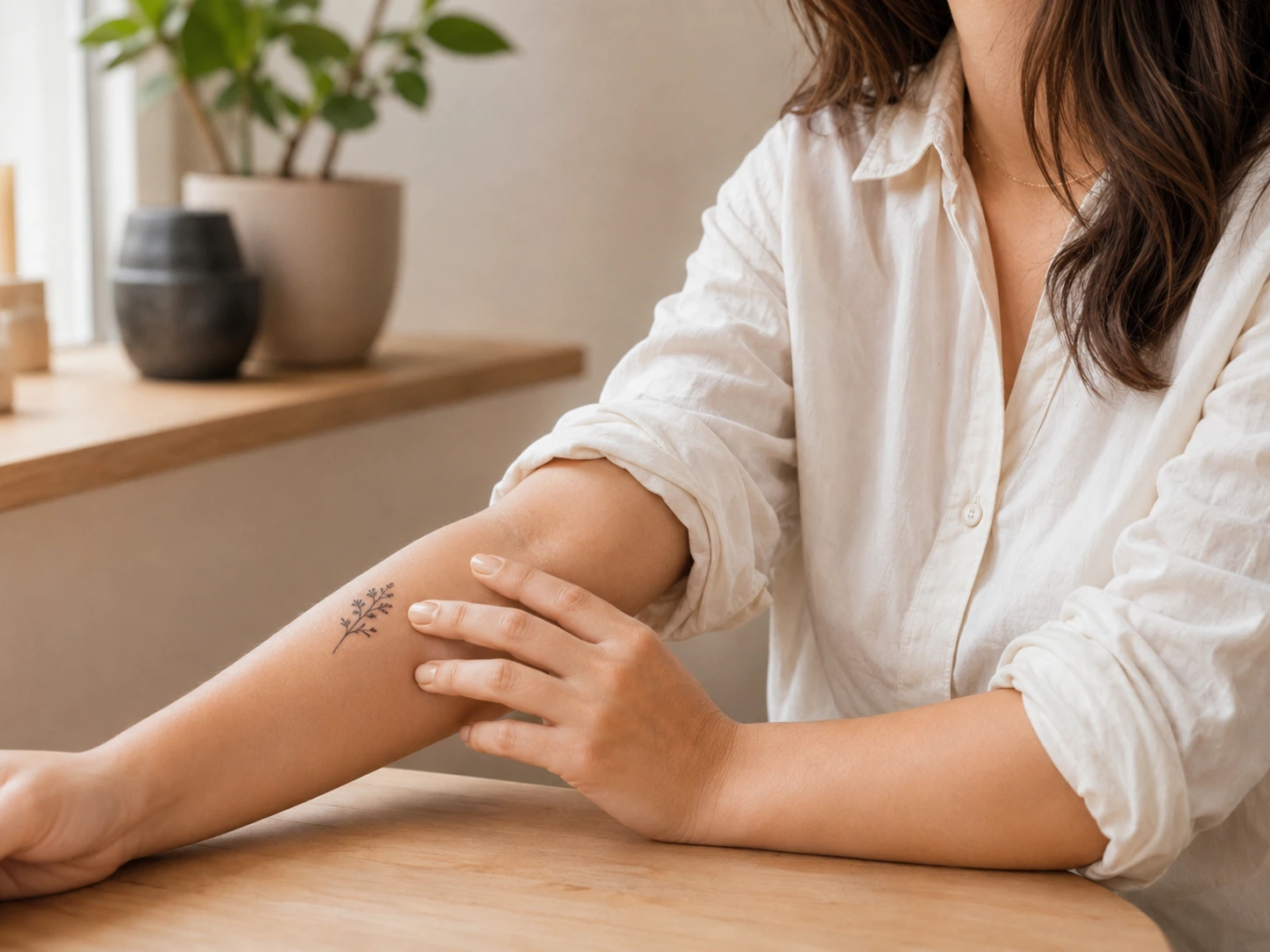
Normal healing includes mild redness, tenderness, light swelling, itching, flaking, and a cloudy look for a little while. These usually fade over the first couple of weeks.
Reach out to your tattoo artist if you have questions about your specific piece, the products you’re using, or whether something looks right. They’ve seen countless tattoos heal and are a great first resource.
Contact a dermatologist or another healthcare professional if you notice signs that don’t seem to fit normal healing, such as spreading redness, warmth, worsening pain, swelling that keeps getting worse, a rash, or a fever. The same goes for any reaction that worries you or doesn’t calm down. It’s always okay to get something checked, and a professional can tell you what’s going on far better than the internet can.
This article provides general educational information and is not a substitute for advice from a licensed tattoo artist or qualified healthcare professional.
FAQ
How long does a small tattoo take to heal?
The surface often looks healed in about two weeks, while the deeper layers of skin keep settling for several more weeks. Everyone heals at their own pace, so don’t worry if yours is a little faster or slower.
How often should I wash my new tattoo?
Most people wash once or twice a day with lukewarm water and a gentle, fragrance-free cleanser. If you sweat or the area gets dirty, a gentle extra wash is fine. Always pat dry, never rub.
Should I keep my tattoo covered or let it breathe?
Follow your artist’s plan. Some use a simple wrap for a few hours, while others use a breathable healing film for several days. After the covering comes off, the tattoo usually does best with light moisturizing and room to breathe.
Why is my tattoo peeling and itchy?
Peeling and mild itching are normal during the second week as new skin forms. Resist scratching or picking. A thin layer of fragrance-free moisturizer usually eases the itch.
Can I work out with a new tattoo?
Light movement is usually fine, but heavy sweating and stretching around the tattoo can irritate it. If the piece sits on a spot that flexes or sweats a lot, give intense sessions a short break and keep it clean.
What moisturizer should I use on a healing tattoo?
Use whatever your artist recommends, or a plain, fragrance-free moisturizer. Apply a thin layer. Skip perfumed lotions and harsh products, which can sting and irritate.
Is it normal for my tattoo to look faded while healing?
Yes. A cloudy or faded look is common while a fresh layer of skin forms over the ink. The color usually brightens as that layer matures. Fine-line pieces can still need a touch-up later, which is normal.
When can my tattoo get sun or go in a pool?
Wait until it’s fully healed before swimming or sunbathing. Soaking can soften scabs, and sun can fade new ink. Once healed, use sunscreen on the tattoo to keep it looking sharp.
References
- American Academy of Dermatology — Caring for tattooed skin
- Cleveland Clinic — Tattoo Aftercare
- EADV — European tattoo aftercare guidance
- FDA — Warning on certain topical pain-relief products
- Healthline — Tattoo pain chart