
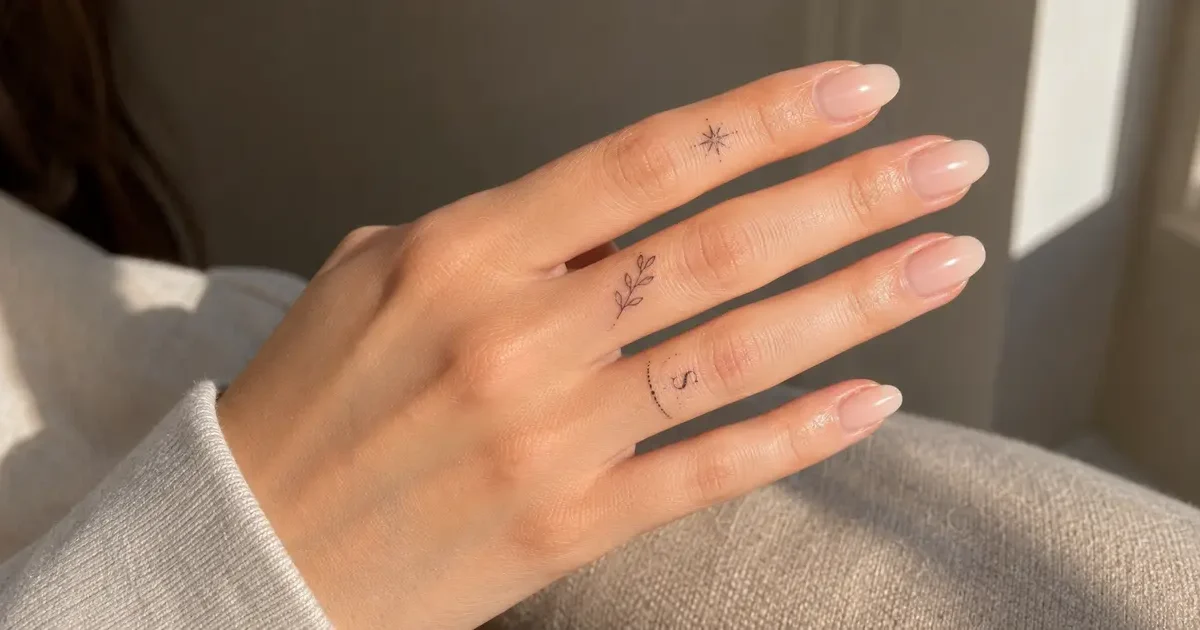
A finger tattoo takes up almost no space, yet it can ask more of you than a design three times its size somewhere else. That is the part many people do not expect. A small star near the knuckle, a single initial on the side of a finger, or a thin line where a ring would sit may look simple, but the spot it lives on is busy. Your hands are visible all day, they bend constantly, and they touch phone screens, keyboards, steering wheels, soap, gym equipment, tools, and door handles.
With small finger tattoos, size can be misleading. Small does not automatically mean easy to plan, easy to heal, or low-maintenance. The simplicity of the artwork, its exact position, visibility, pain, and long-term wear can matter more than the amount of ink used. Fading, softening, and possible touch-ups are realistic possibilities with this placement. If pain is already on your mind, our tattoo pain chart can help you compare different areas, but pain is only one part of the decision.
Quick Answer: Are Small Finger Tattoos a Good Idea?
Small finger tattoos can be a good idea when the design is simple, readable, and suited to the exact placement. They are less suitable for someone who wants detailed micro-artwork, easy concealment, or a completely maintenance-free tattoo.
A clean symbol or short piece of linework has room to breathe. Crowded detail usually does not. Before booking, keep these points in mind:
- Placement changes the result. A tattoo on top of the finger can wear differently from one on the side or inner finger.
- Finger tattoos are highly visible and can be difficult to hide.
- Many people describe the sensation as sharp, although a very small design may be tattooed fairly quickly.
- Fading, softening, and future touch-ups are realistic possibilities.
- The artist should be able to show healed finger tattoos, not only fresh close-up photographs.
It is not a flat yes-or-no decision. Finger tattoos can work well when the design, placement, artist, and expectations all make sense together.
What to Know Before Choosing a Finger Tattoo
This placement needs more planning than its size suggests because of how much your hands do every day.

Fingers curl, stretch, grip, and tap without you thinking about it. Hands are also washed frequently, sometimes many times during a workday. That combination of motion, water, soap, and daily contact creates a more demanding environment than a protected placement such as the upper arm or thigh.
There is also friction. Rings rub against the skin. Phones and keyboards are handled for hours. Tools, gym equipment, gloves, cleaning products, fabrics, and ordinary household surfaces make repeated contact with the fingers. Hands also receive regular sun exposure because they are rarely covered.
Space is the other limitation. A design that reads clearly at two inches wide can become crowded when reduced to the width of a finger. Lines that sit comfortably apart on paper may start to look compressed at that scale. This is why an experienced artist may simplify a reference image, increase the spacing, or suggest a slightly stronger line.
A tiny tattoo is still a real tattoo with real upkeep. The smaller size does not make the placement maintenance-free.
Best Placements for Small Finger Tattoos
Where the tattoo sits changes how visible it is, how easily the design can be read, and how much daily contact it receives.
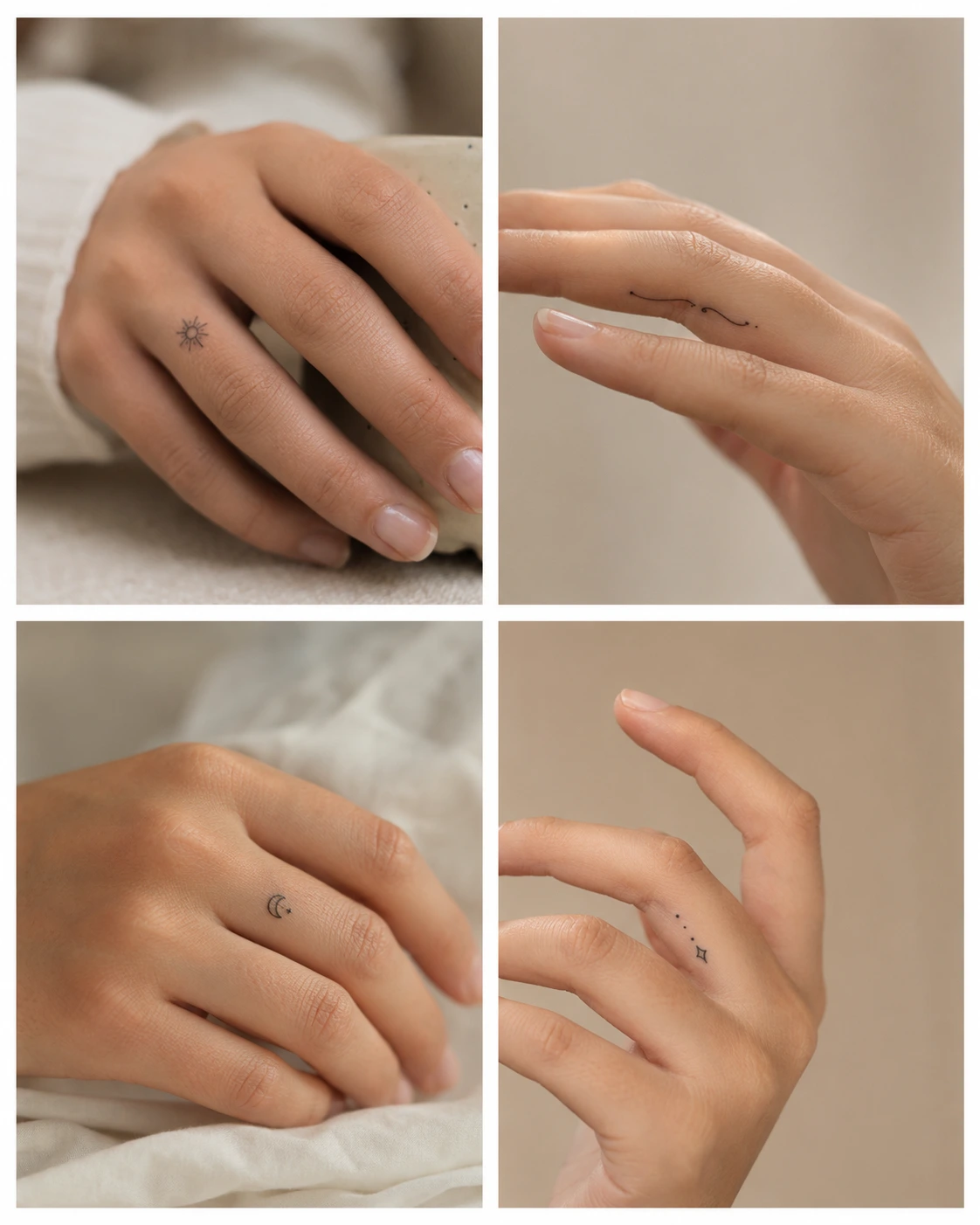
Top of the Finger
The top of the finger is usually the most visible placement. It works well for a small symbol, a clean outline, or simple linework because the design faces outward when the hand is relaxed.
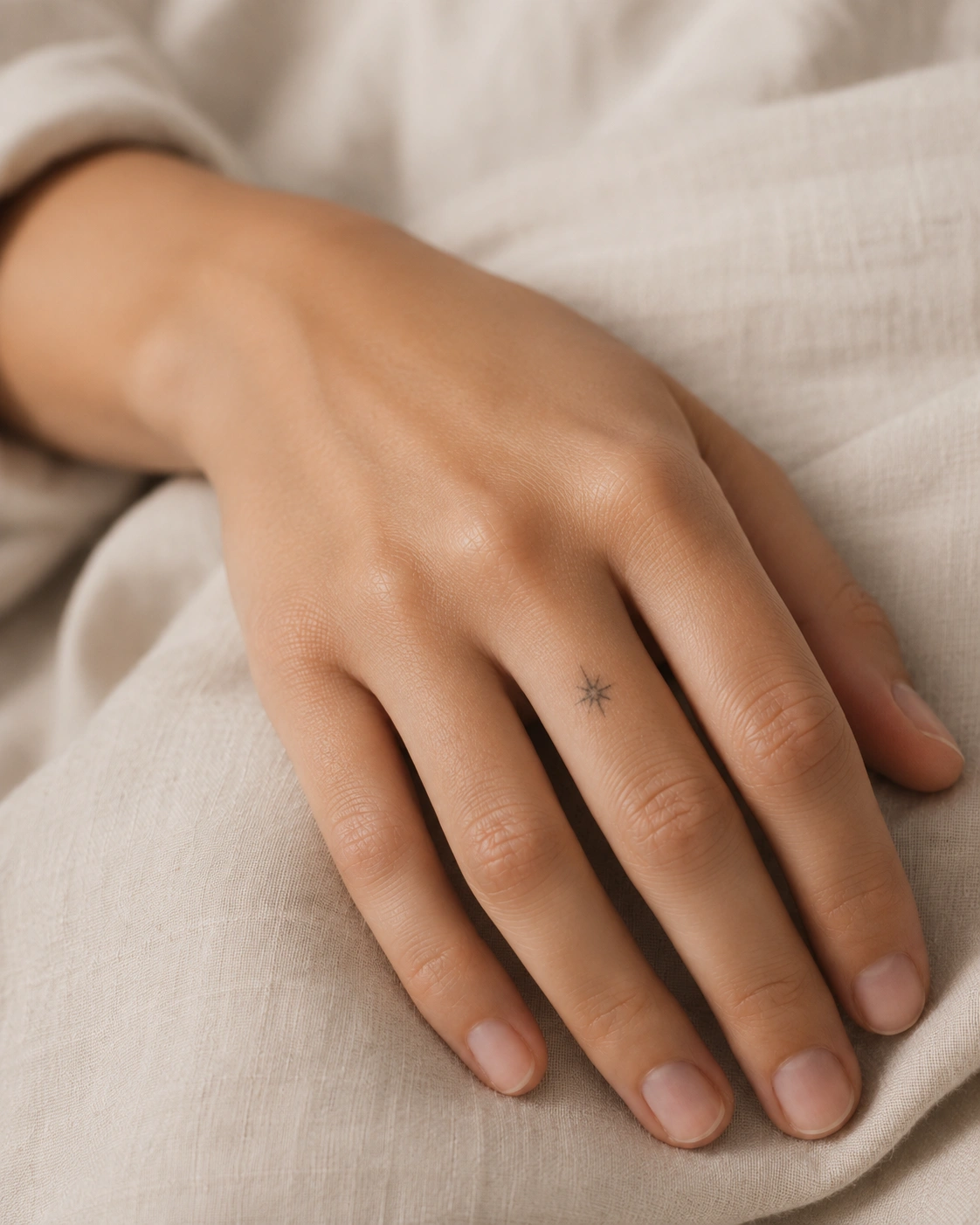
This area can be easier to read than a hidden side placement, but it still receives sunlight, movement, washing, and everyday contact. Orientation also matters. Decide whether the design should face you or face outward, and check the stencil while your hand is resting naturally.
Side of the Finger
Side finger tattoos can look discreet from certain angles. They are often chosen for initials, dates, short words, numbers, or tiny symbols.
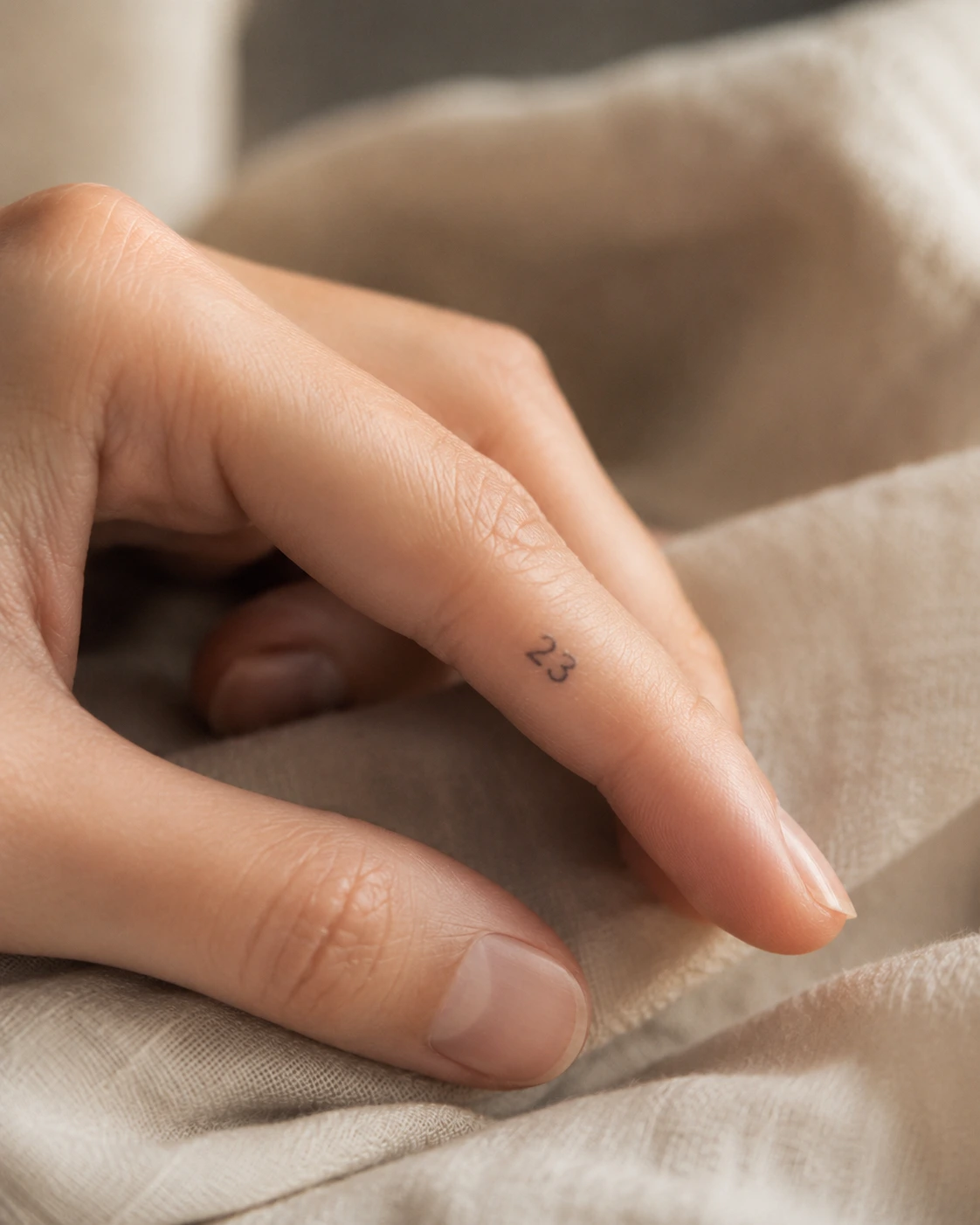
The trade-off is friction. The sides of the fingers rub against each other and against objects you hold. Some side areas may heal or hold fine detail less consistently than people expect. Ask the artist to show healed examples from the same part of the finger before committing to the placement.
Knuckle Area
Knuckle tattoos are bold and difficult to miss. The available space is limited, and the joint moves frequently, so clear shapes generally make more sense than designs filled with tiny interior details.
A single symbol on one knuckle is also a different visual commitment from several coordinated designs across the hand. Review the overall effect rather than judging each tiny design separately.
Inner or Between-Finger Placement
Inner and between-finger tattoos often look subtle in posed photographs or when the hand is relaxed. In daily life, however, these areas receive considerable contact from gripping and from the fingers pressing together.
That may make healing and long-term upkeep more challenging. Fine detail may not remain as consistent in every part of the inner finger. Ask the artist whether they recommend the exact location for the design you have chosen.
Ring-Style Finger Tattoos
A ring-style tattoo can replace jewelry, complement it, or mark a relationship without using a traditional ring. A full band wrapping around the finger is different from a small symbol placed on top. Wraparound lines need careful spacing and alignment so that the design connects cleanly.
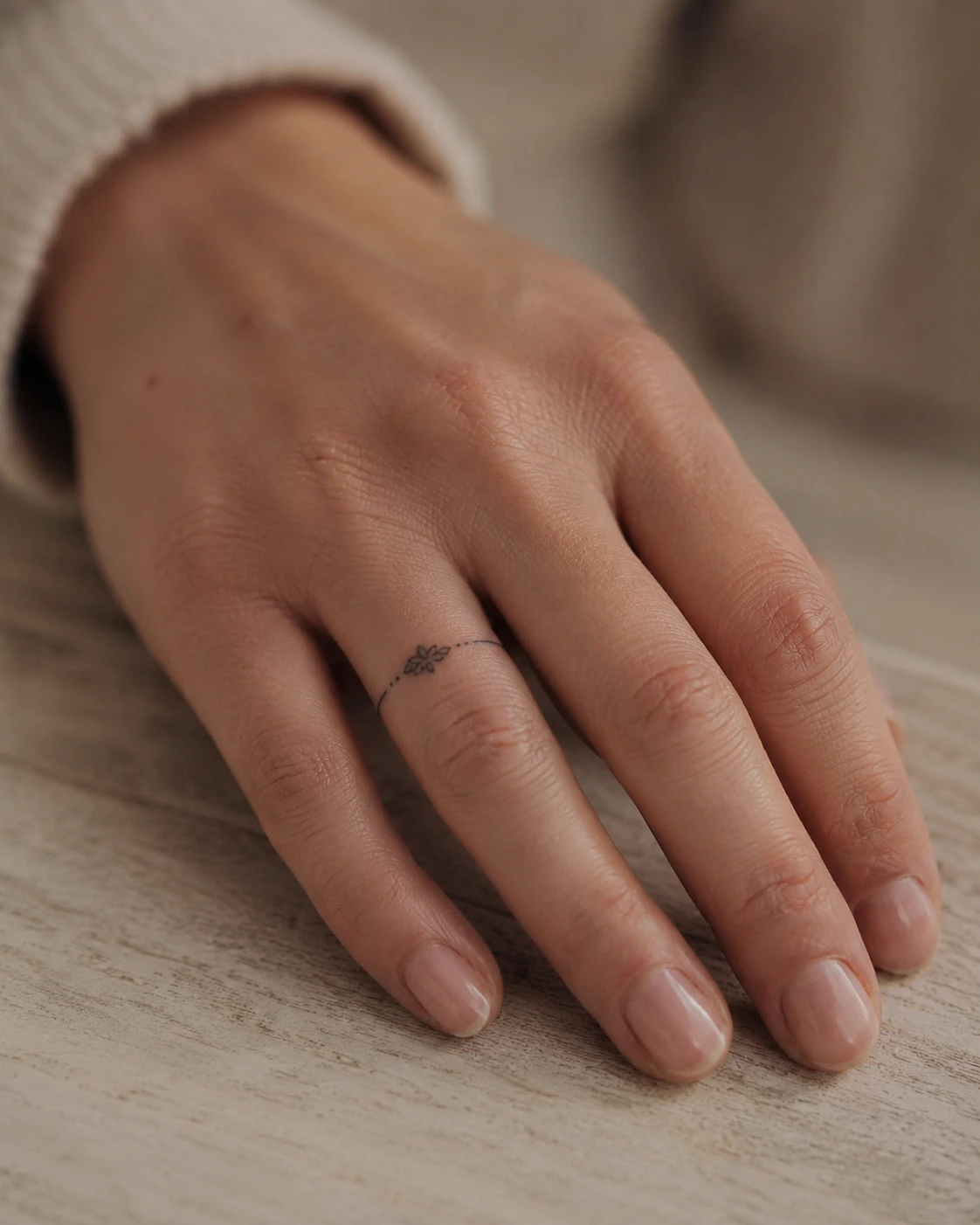
A real ring should not rub against a fresh tattoo. Ask the artist about healing, jewelry, expected wear, and their touch-up policy before booking.
Small Finger Tattoo Ideas by Style
Think of these ideas as starting points for a consultation rather than designs to copy exactly. The useful question is not only whether an image looks good online. It is whether it will remain readable at finger size and what the artist may need to change.
Tiny Symbol Finger Tattoos
Simple symbols are a natural fit because they are easy to recognize and do not depend on dense interior detail. Possible ideas include:
- A small heart
- A star or sparkle
- A crescent moon
- A simple sun
- An arrow
- A small wave
- A simple cross
- One dot or a three-dot arrangement
- A tiny flame
The main goal is clarity. A star with clean points will usually remain easier to recognize than one packed with tiny inner lines. Symbols like these often work well on top of the finger, where the complete shape can be seen.
Not every symbol needs an elaborate meaning. A small sun can simply be a design you enjoy looking at.
Botanical Finger Tattoos
Botanical ideas can include a tiny flower, a single leaf, a short vine, a small branch, a simple sprig, a reduced rose outline, or a lavender-style stem.
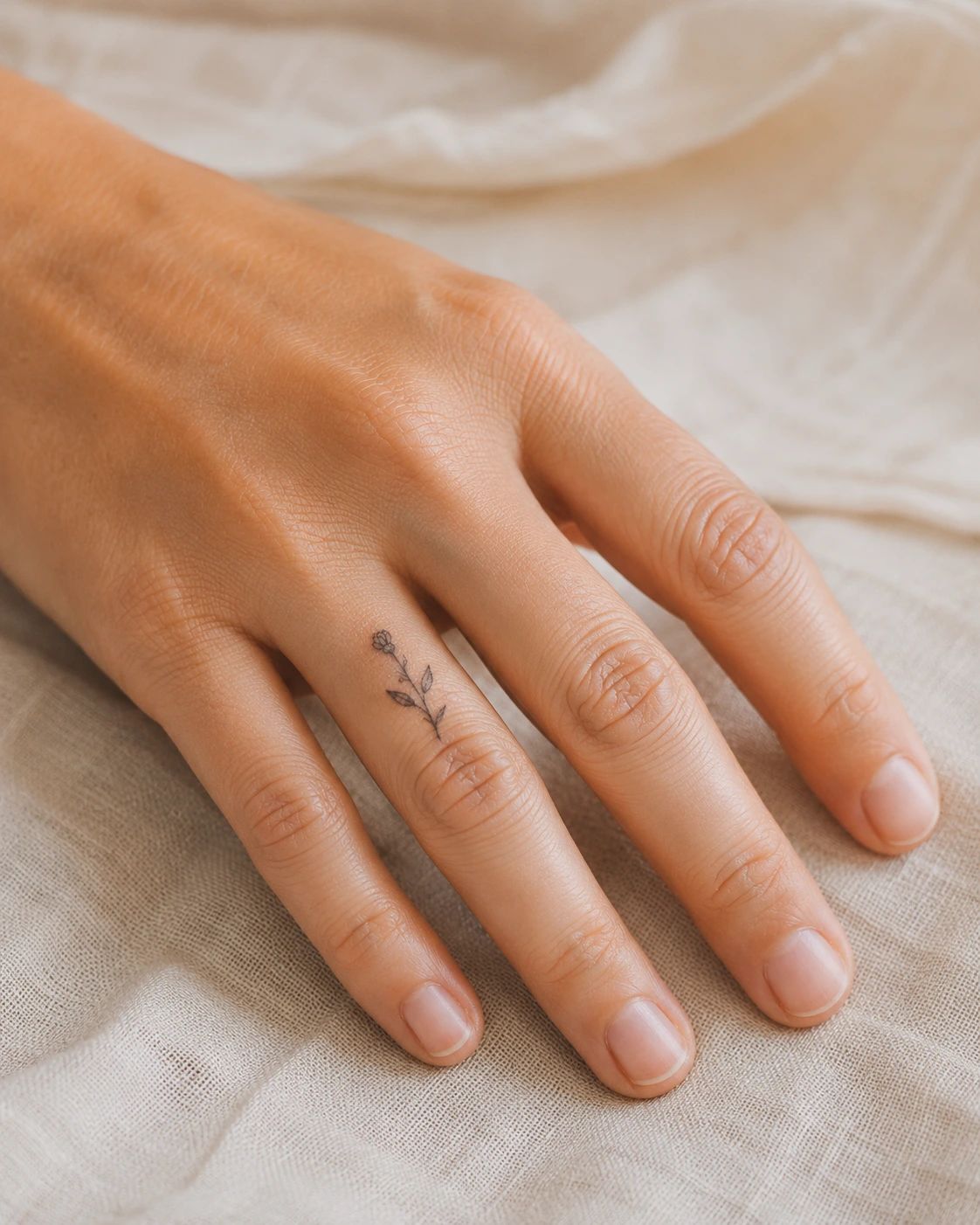
The challenge is spacing. Petals, leaves, and stems need enough separation to remain readable. A detailed miniature flower compressed into a narrow strip of skin may lose the distinctions that made the reference attractive. A simplified outline is often a better fit than miniature realism.
Minimalist Linework Finger Tattoos
Minimalist options include a curved line, geometric shape, small abstract mark, simple snake silhouette, arch, ornamental accent, or fine decorative line.
Complex micro-linework often needs to be simplified. That is not a downgrade. It is an adjustment that helps the tattoo suit the placement.
Minimalist also does not have to mean using the thinnest line technically possible. A slightly more confident line can still look clean and delicate while giving the design more visual structure.
Initials, Numbers, and Tiny Words
Text is one of the most requested styles for fingers and one of the easiest to overcrowd. Practical options include one initial, paired initials, a short date, a meaningful number, one short word, or a simple Roman numeral.
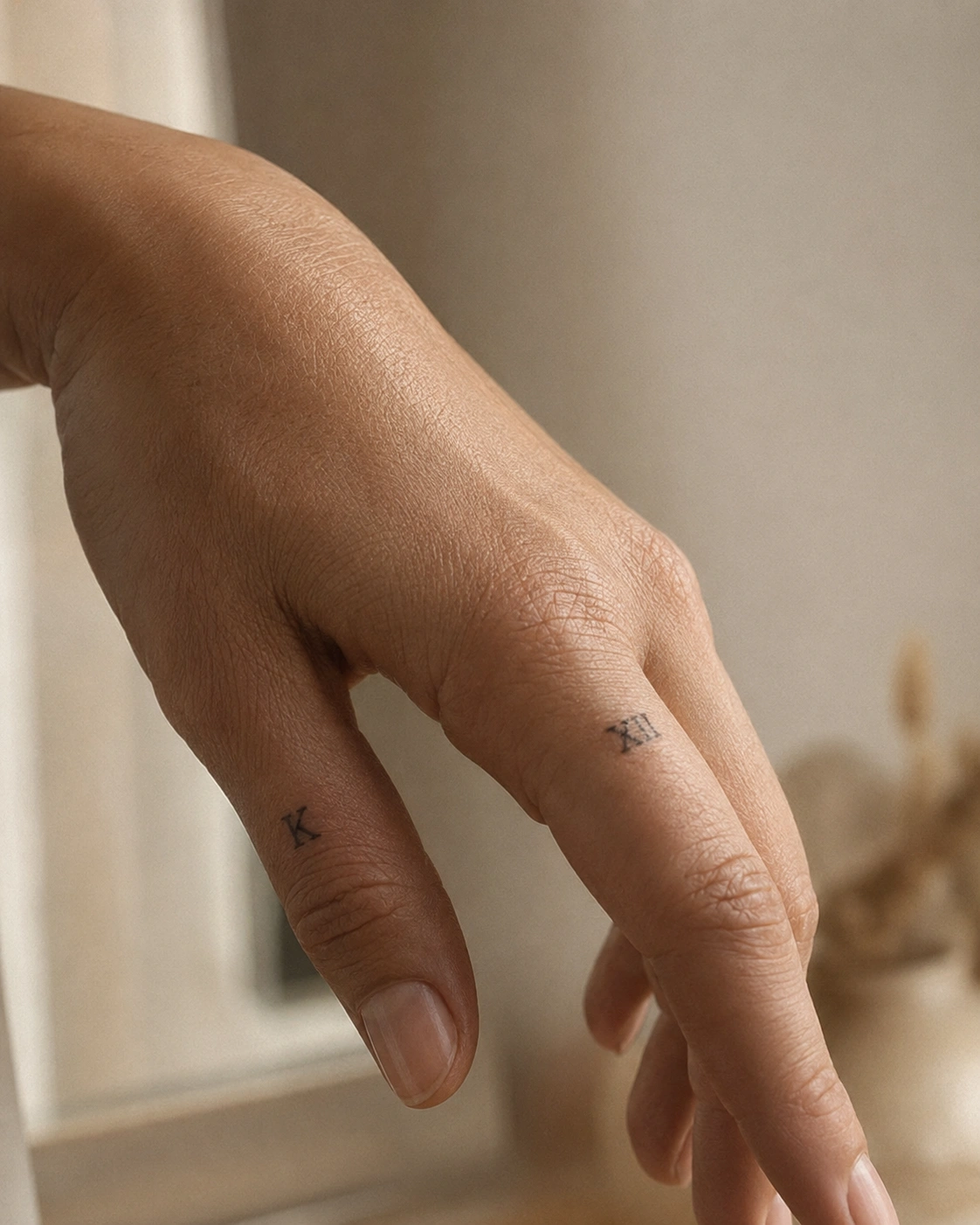
Script needs breathing room. Very thin letters may soften, and several compressed words can become difficult to separate visually. Long quotes rarely suit finger scale. The artist may recommend a cleaner font, a different orientation, or a slightly larger size so the letters have a better chance of remaining legible.
Celestial and Nature-Inspired Ideas
Small celestial and nature motifs can include a moon and star, tiny planet, lightning bolt, mountain line, flame, butterfly silhouette, shell, or simplified sun rays.
These designs work best when they remain realistic for the width of the finger. A mountain reduced to a few clean lines can still read clearly. A fully shaded landscape probably will not. When the original design contains several layers of detail, an outline or silhouette may translate better.
Ornamental and Ring-Inspired Finger Tattoos
Ornamental finger tattoos can include a thin curved accent, a small arch above the knuckle, a dotted detail, a broken-band design, or a simple jewelry-inspired motif.
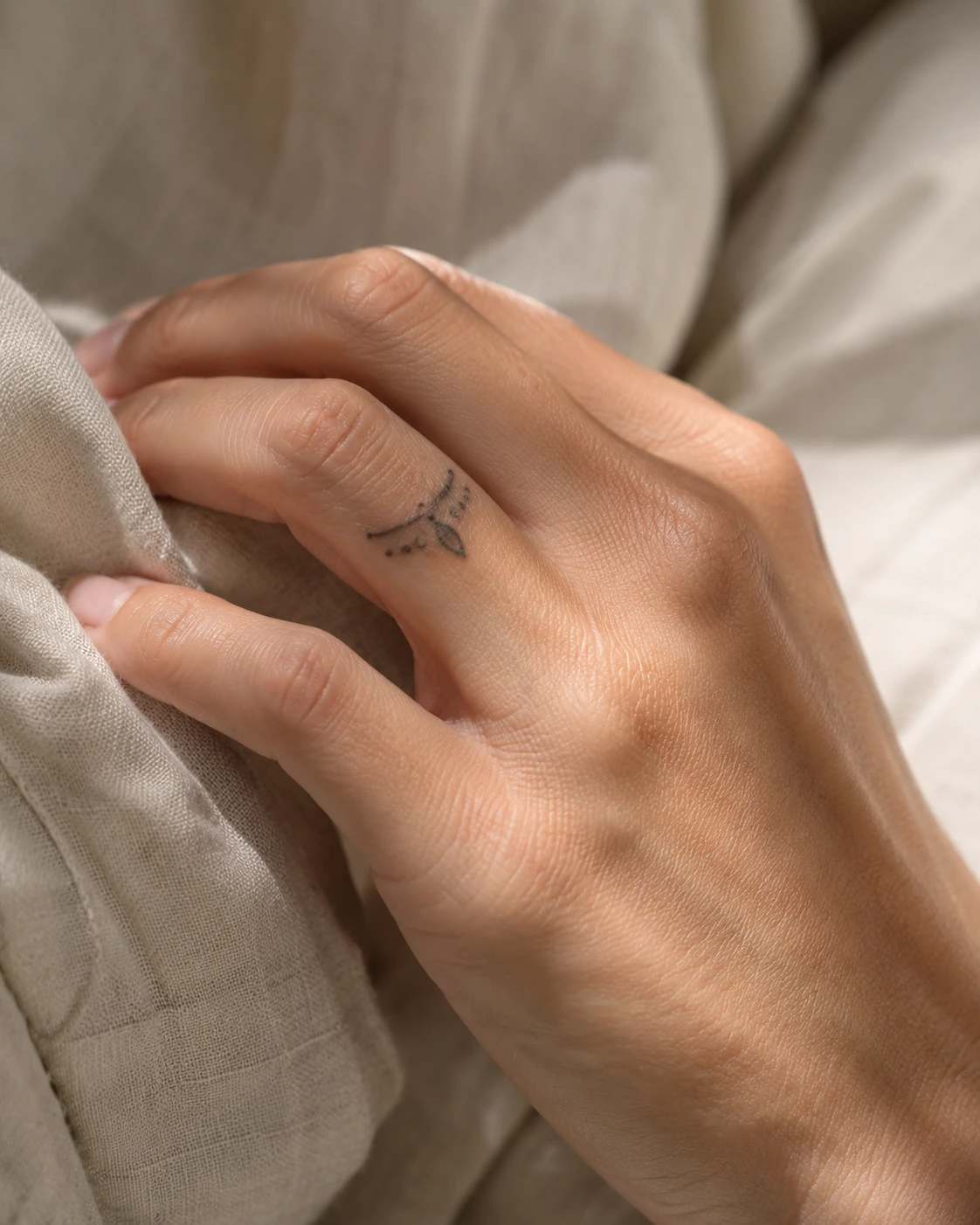
These ideas work best when the spacing remains open and the design does not rely on several hair-thin lines sitting close together. A full wraparound band requires more planning than a decorative mark on top of the finger. Review the stencil from every side before the tattoo begins, especially where separate lines are meant to meet.
Matching and Coordinated Finger Tattoos
Matching tattoos may include identical symbols, complementary sun-and-moon designs, tiny initials, paired dots, simple lines, or two designs that connect visually without being exact copies.
The relationship or shared meaning may be the reason for the tattoo, but it should not replace practical planning. Both people still need to consider design size, placement, visibility, healing, and possible maintenance.
Which Finger Tattoo Designs Tend to Age Better?
Design choice matters more on a finger than many people expect. A small change in line weight or spacing can make the difference between a readable tattoo and one that loses clarity sooner.
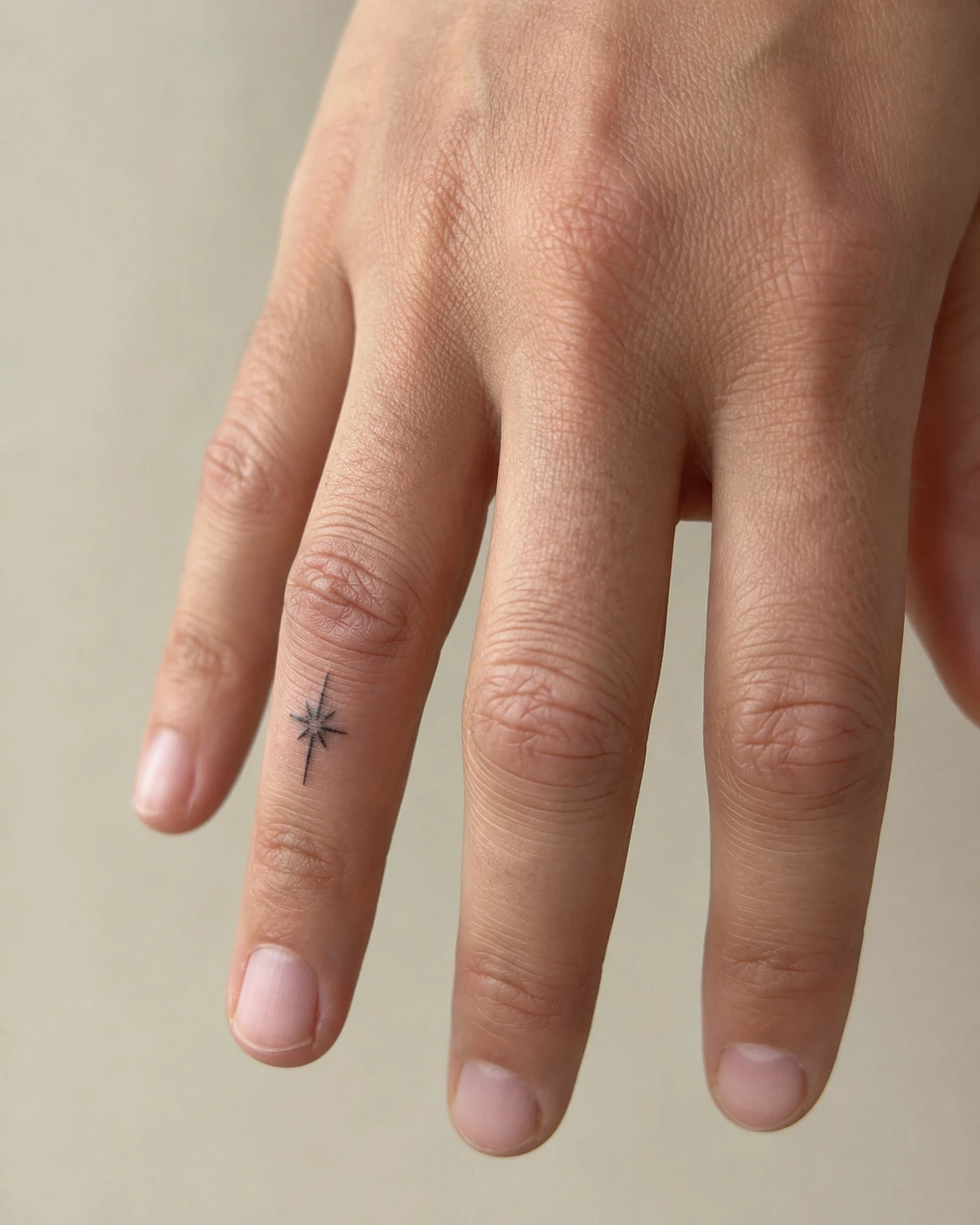
Designs that tend to work more successfully on fingers often share several qualities:
- Simple, recognizable shapes
- Clear negative space
- Slightly stronger line weight
- Fewer tiny interior details
- Readable spacing between separate elements
- No dependence on hair-thin precision
No design is guaranteed to age perfectly, especially on a finger. However, practical comparisons can make the decision clearer:
- A simple star will usually remain more recognizable than a miniature flower filled with many tiny petals.
- One clear initial has more space than several compressed words.
- A clean symbol on top of the finger may experience different wear from ultra-fine inner-finger script.
- A botanical sprig with open spacing is easier to read than several overlapping leaves.
“Bolder” does not have to mean large, heavy, or visually harsh. It can simply mean giving the tattoo enough line and open space to work on a narrow, frequently used area.
How Much Do Finger Tattoos Hurt?
Many people describe finger tattoos as sharp. The area is small and sensitive, with relatively little cushioning over the bone, so the sensation may feel more intense than dull. Experiences still vary considerably from one person to another.
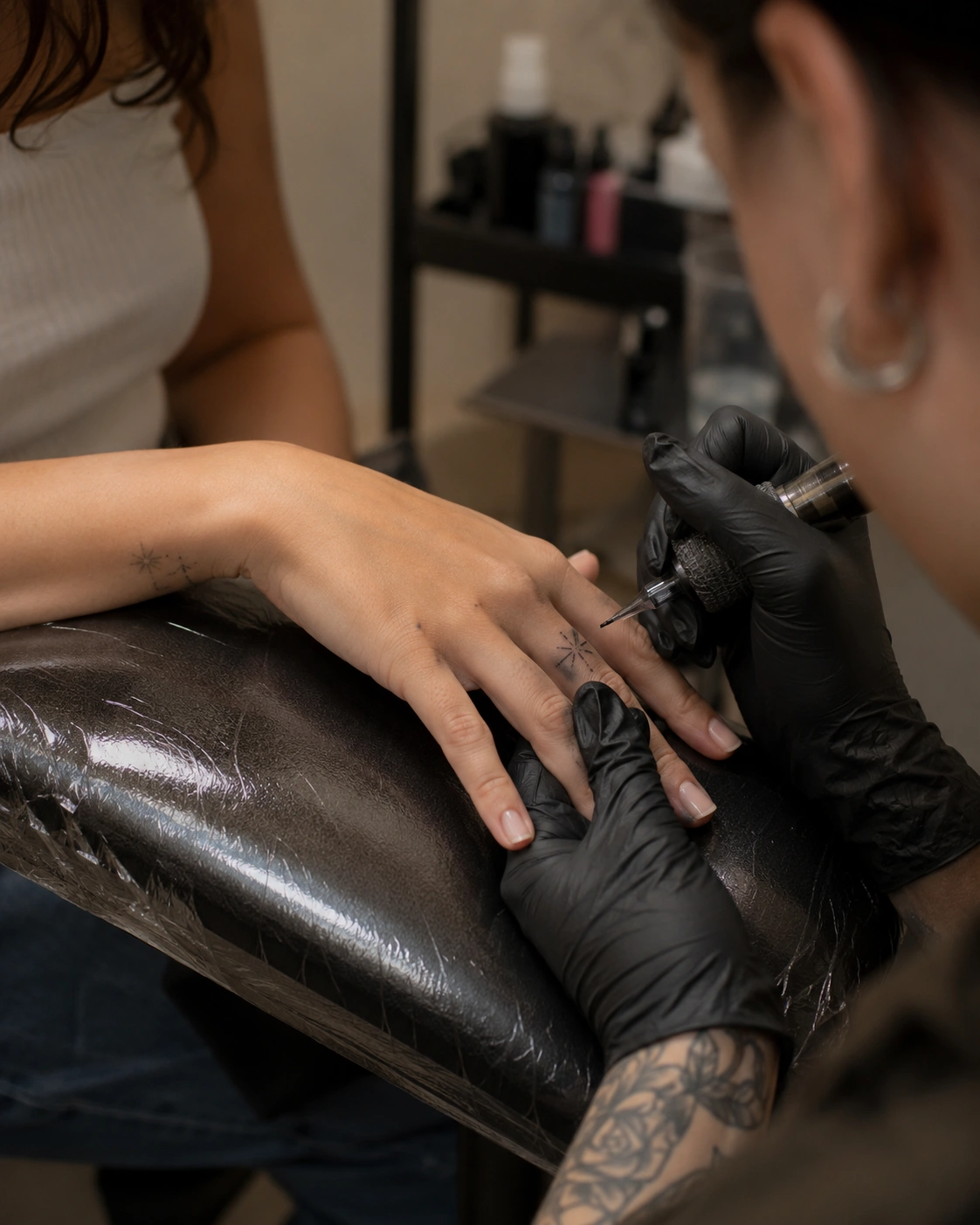
Several things can affect how the appointment feels:
- The exact placement, including whether the design crosses a joint or sits close to the nail
- Your individual pain tolerance
- The artist’s technique and pace
- The complexity and linework of the design
- Whether the stencil needs to be repositioned several times
Session length and pain intensity are not the same thing. A very small design may be tattooed quickly but still feel sharp during those minutes. Some people are more surprised by the sensation over the bone than by the amount of time they spend in the chair.
If this makes finger placement feel too intense for a first tattoo, that is a reasonable conclusion. Our guide to the least painful places to get a tattoo covers placements that many people find easier to approach. Lower-pain does not mean pain-free, and there is no universal numerical rating that fits everyone.
How Long Does a Small Finger Tattoo Take?
The actual tattooing portion of a tiny design may be relatively quick. Sometimes it is the shortest part of the visit.
The consultation, sizing, setup, stencil placement, and repositioning can add more time than people expect. Fingers provide very little flat space, so alignment matters. Ring bands and wraparound designs may take longer because the separate ends need to connect cleanly.
Detailed artwork or an awkward position can also slow the process. Ask your artist for an estimate after they have seen the design and exact placement. That will be more useful than a generic time range for all small finger tattoos.
Why Do Finger Tattoos Fade or Soften?
In simple terms, hands work hard.
They are washed frequently, and the fingers bend throughout the day. The skin touches phones, keyboards, tools, rings, fabrics, gym equipment, cleaning products, and household surfaces. Side and inner-finger areas may experience even more rubbing than the top of the finger.
Hands are also exposed to sunlight. Very fine lines can soften, and small gaps between parts of a design may become less distinct as the tattoo settles.
The careful way to describe this is that a finger tattoo may fade, can soften, and may require more maintenance than a tattoo on a protected area. Results vary by design, placement, line weight, technique, healing, skin, daily habits, and artist.
This does not mean every finger tattoo fades immediately or disappears. Be cautious with anyone promising an exact fading timeline in either direction.
Finger Tattoo Healing: What Daily Life Changes
The biggest difference during healing is how often you need to think about your hands. Our full tattoo aftercare and healing guide explains general aftercare, but your own artist’s instructions should always come first.
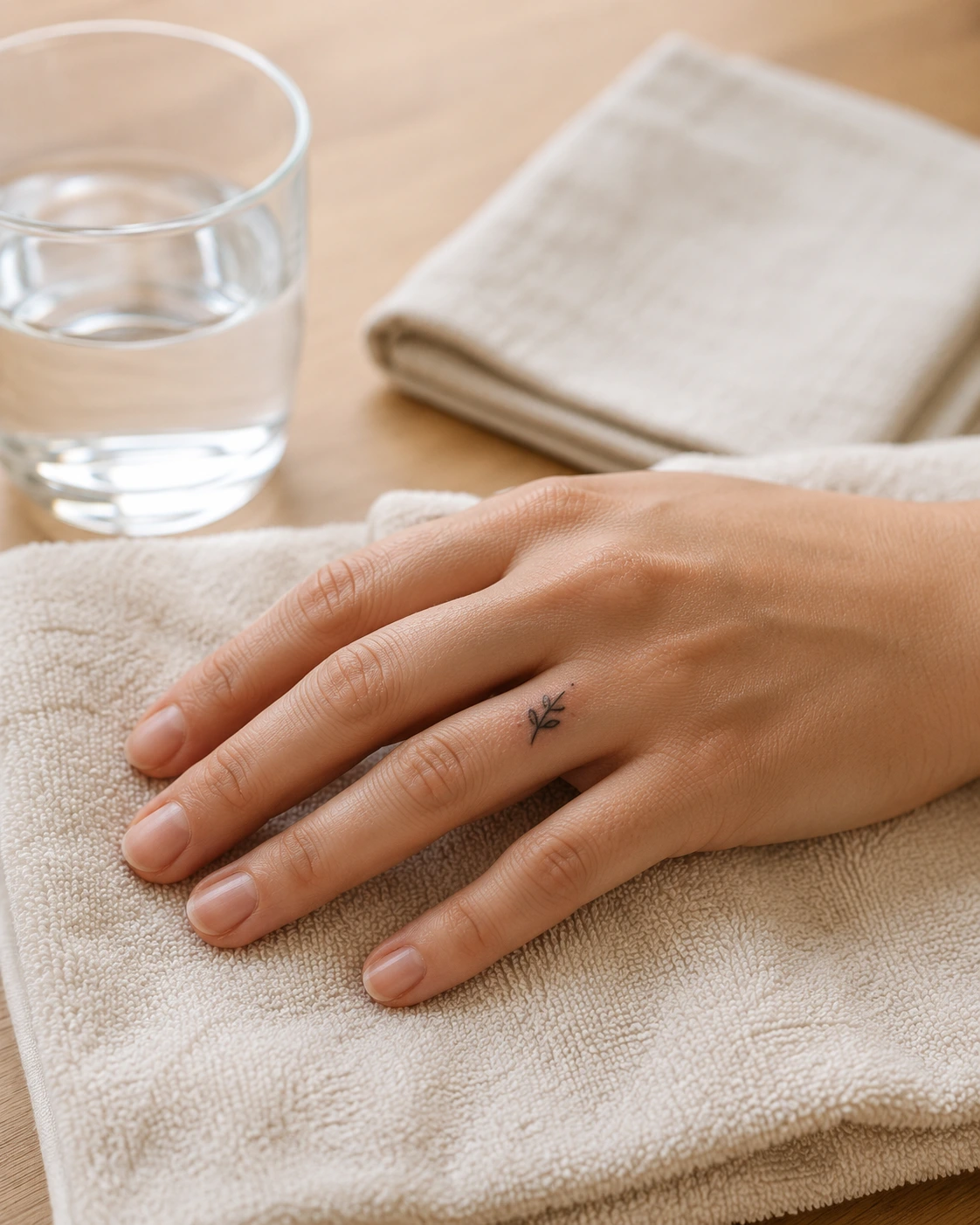
For a healing finger tattoo:
- Follow the artist’s covering, cleaning, and aftercare instructions.
- Do not pick, scratch, scrub, or peel the area.
- Avoid soaking the tattoo.
- Keep unapproved skincare, fragrance, and harsh cleaning products away from it.
- Be mindful of rings, gloves, tools, workouts, and repeated friction.
- Plan the appointment around activities that may make hand care difficult.
- Ask the artist what to do when your job requires frequent washing or glove use.
- Do not judge the final appearance while the tattoo is still healing.
The surface may look settled before the tattoo has fully finished healing, so do not rush to judge the final result. Follow your artist’s guidance, especially if anything about the healing process concerns you.
Aftercare should never require you to stop necessary hygiene or workplace safety procedures. Do not use a product simply because it was recommended online. Use only what your artist has approved for your tattoo.
Touch-Ups and Long-Term Finger Tattoo Upkeep
Touch-ups are a realistic part of the conversation, but that does not mean every finger tattoo needs the same amount of future work.
Some finger tattoos need a touch-up; others do not. Different placements and designs may soften at different speeds. Studio policies also vary. Some artists treat fingers and hands differently from tattoos placed elsewhere on the body, and a free touch-up may not be included.
Ask about the policy before booking. Find out when the artist wants to review the healed tattoo and whether the exact placement is covered by their usual touch-up terms.
Wait until the tattoo is fully healed and the artist says it is ready before deciding how the result looks. Judging too early often creates unnecessary worry.
After the tattoo has healed, sunscreen may help protect exposed tattooed skin from sun exposure. A touch-up can refresh parts of a design, but it cannot guarantee that every line will remain unchanged forever. Repeated work should not be done until the artist confirms that the skin is ready.
How to Choose the Right Artist for a Finger Tattoo
For this placement, the artist may matter more than any single design decision.
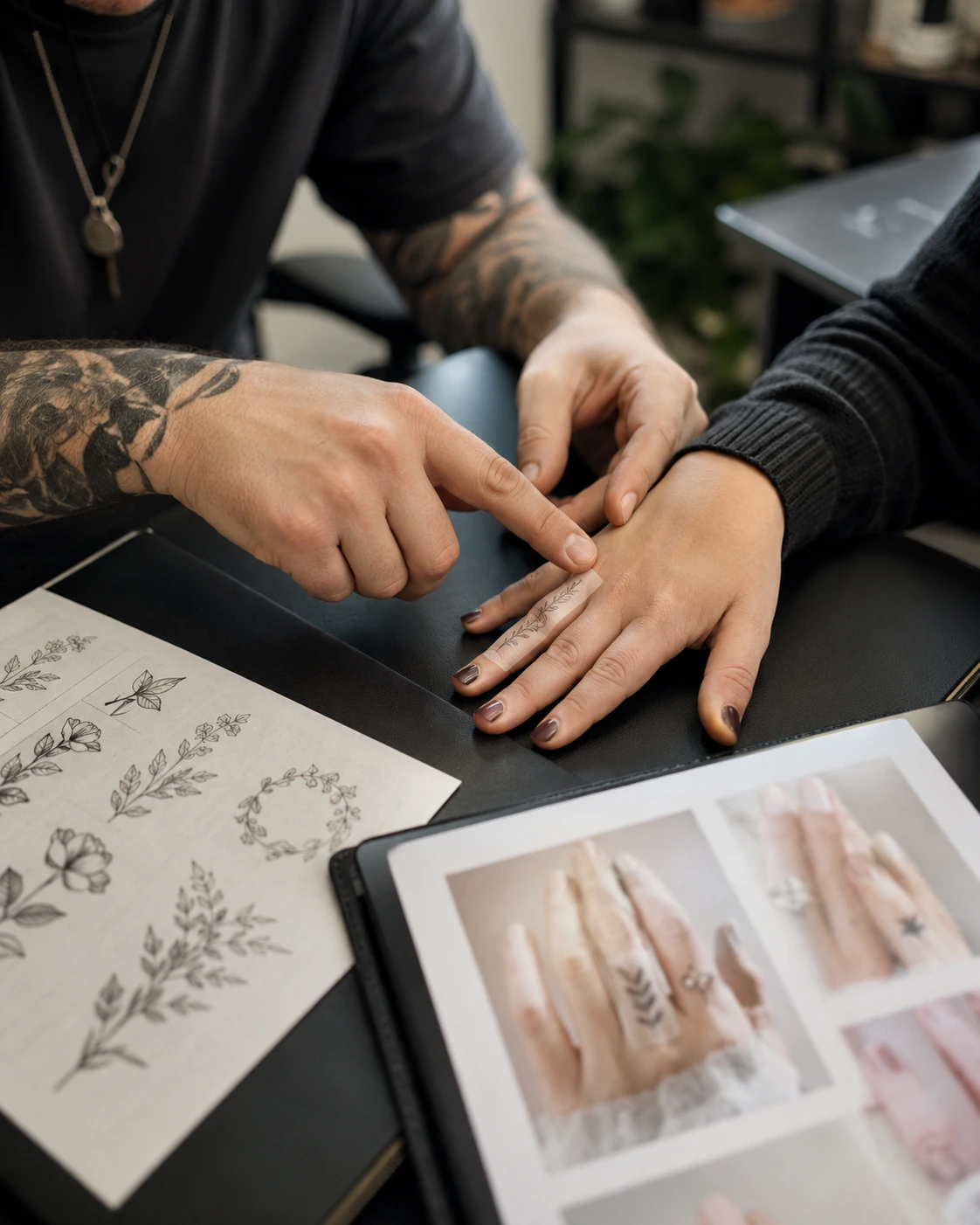
Look for healed finger tattoo photographs rather than relying only on crisp fresh close-ups. Ideally, review healed work on the same placement you want: top, side, inner, knuckle, or ring-style.
Check whether the lines remain readable and whether the artist regularly works on fingers. Useful questions include:
- How often do you tattoo fingers and hands?
- Can I see healed examples from this exact placement?
- Are there finger areas or design styles you usually decline?
- Would you change the size, spacing, or line weight of this reference?
- What is your touch-up policy for fingers?
When an artist says a design needs to be simpler, larger, or more widely spaced, take that as useful professional guidance. Refusing to squeeze an unrealistic amount of detail onto one finger is often a sign that the artist is thinking about the healed result.
What to Do Before Your Finger Tattoo Appointment
Our first tattoo preparation checklist covers the general basics. For a finger tattoo, add a few placement-specific steps.
- Confirm the exact finger and exact side.
- Confirm whether the design faces you or faces outward.
- Review the stencil from several natural hand positions.
- Remove rings before the appointment.
- Bring reference images.
- Arrive with clean hands.
- Do not shave or aggressively exfoliate unless instructed.
- Eat before the appointment.
- Bring valid photo ID and your payment method.
- Ask before applying lotion.
- Ask before using numbing cream.
- Think about work, washing, exercise, travel, and social plans during early healing.
Topical pain-relief products can be risky when used incorrectly, so do not apply numbing cream without your artist’s approval.
Review the stencil while your hand is relaxed and moving naturally, not only while it is held in a flattering photograph-ready position. A design can sit differently when you open your hand, bend the finger, or let your arm rest at your side.
Who Should Think Twice About a Finger Tattoo?
This is not about talking anyone out of the placement. It is about making sure the practical reality matches what you expect.
A finger tattoo may be a difficult fit when you:
- Want a completely maintenance-free tattoo.
- Need to hide tattoos easily.
- Work with constant water, chemicals, gloves, tools, or heavy hand friction.
- Want highly detailed micro-realism in a very small space.
- Would be very disappointed by normal softening.
- Do not want the possibility of a future touch-up.
- Cannot adjust rings or hand-related activities during healing.
- Have active irritation, broken skin, or unresolved skin concerns on the hand.
If your job involves water, chemicals, gloves, tools, food service, healthcare, or frequent hand washing, discuss appointment timing and protection with your artist. Do not stop any hygiene or workplace safety procedure.
People with allergies, recurring irritation, health concerns, or skin conditions should also speak with a qualified healthcare professional and their tattoo artist before booking.
Small Finger Tattoo Decision Checklist
- I am comfortable with the tattoo being visible.
- I chose the exact finger and side.
- I confirmed the design orientation.
- The design remains readable at the planned size.
- I understand that tiny details may need to be simplified.
- I reviewed healed finger tattoos from the artist.
- I asked about fading and touch-up policies.
- I understand that the sensation may feel sharp.
- I can follow aftercare despite work and daily hand use.
- I planned around rings, washing, workouts, and friction.
- I am comfortable with possible softening or future maintenance.
Editor’s Note
The most useful finger tattoo reference is not the crisp photograph taken five minutes after the appointment. It is a healed photograph taken months later, after the design has lived through washing, typing, and normal daily use.
Choose the design you like, but judge the artist and placement by how the work settles into ordinary life, not only by how it looks when the needle stops.
Common Small Finger Tattoo Mistakes
- Choosing a design that is too detailed for the space
- Judging only fresh tattoo photographs and ignoring healed examples
- Choosing a side placement only because it looks discreet online
- Assuming a tiny tattoo will be painless
- Ignoring work habits and daily hand use
- Forgetting to check the design orientation
- Wearing rings against a fresh tattoo
- Using unapproved numbing or aftercare products
- Expecting every artist to provide free touch-ups
- Choosing a highly visible tattoo without considering work and daily life
- Changing the size or orientation at the last second without reviewing the stencil
- Expecting ultra-fine linework to remain completely unchanged forever
FAQ
Are small finger tattoos a good idea?
They can be when the design is simple, the placement is chosen carefully, and you are comfortable with visibility, possible fading, and future maintenance. They may be a poor fit when you need easy concealment or want a tattoo that requires no upkeep.
Do finger tattoos fade quickly?
Fingers experience more movement, washing, friction, and exposure than many protected areas, so fading or softening can happen. The speed and amount vary by exact placement, line weight, design, technique, healing, skin, and daily habits.
How painful is a finger tattoo?
Many people describe the sensation as sharp because the area is small, sensitive, and has little cushioning over the bone. Pain tolerance varies, so there is no single rating that applies to everyone.
Which part of the finger is best for a tattoo?
The top of the finger is often the easiest to see and read. Side, inner, knuckle, and ring-style placements each have different trade-offs involving friction, movement, visibility, and healing. The best location depends on the design and the artist’s assessment.
Do side finger tattoos last?
They can, but side placements receive frequent rubbing and contact, so they may soften differently from tattoos on top of the finger. Review healed side-finger work from the artist before deciding.
What finger tattoo designs tend to age best?
Simple shapes, clear negative space, readable spacing, and slightly stronger lines generally suit finger placement better than crowded, hair-thin detail. No design is guaranteed to remain unchanged.
How long does a small finger tattoo take?
The tattooing itself may be quick, but consultation, sizing, setup, stencil placement, and repositioning add time. Ring bands and difficult placements may take longer. Ask the artist for an estimate based on your exact design.
Can I wear rings after getting a finger tattoo?
Avoid placing a ring against a fresh tattoo unless your artist says it is safe. Friction can interfere with the healing area. Follow the artist’s instructions about when jewelry can be worn again.
Do finger tattoos always need touch-ups?
No. Some need a touch-up and others do not. It depends on placement, design, technique, healing, and daily wear. Ask about the artist’s policy before booking and wait until the tattoo is fully healed before judging the result.
This article provides general educational information and is not a substitute for advice from a licensed tattoo artist or qualified healthcare professional. Finger tattoo healing and longevity vary by placement, design, technique, skin, daily habits, and aftercare. Always follow your artist’s instructions, and speak with a healthcare professional about health concerns, allergies, recurring irritation, or skin conditions.