
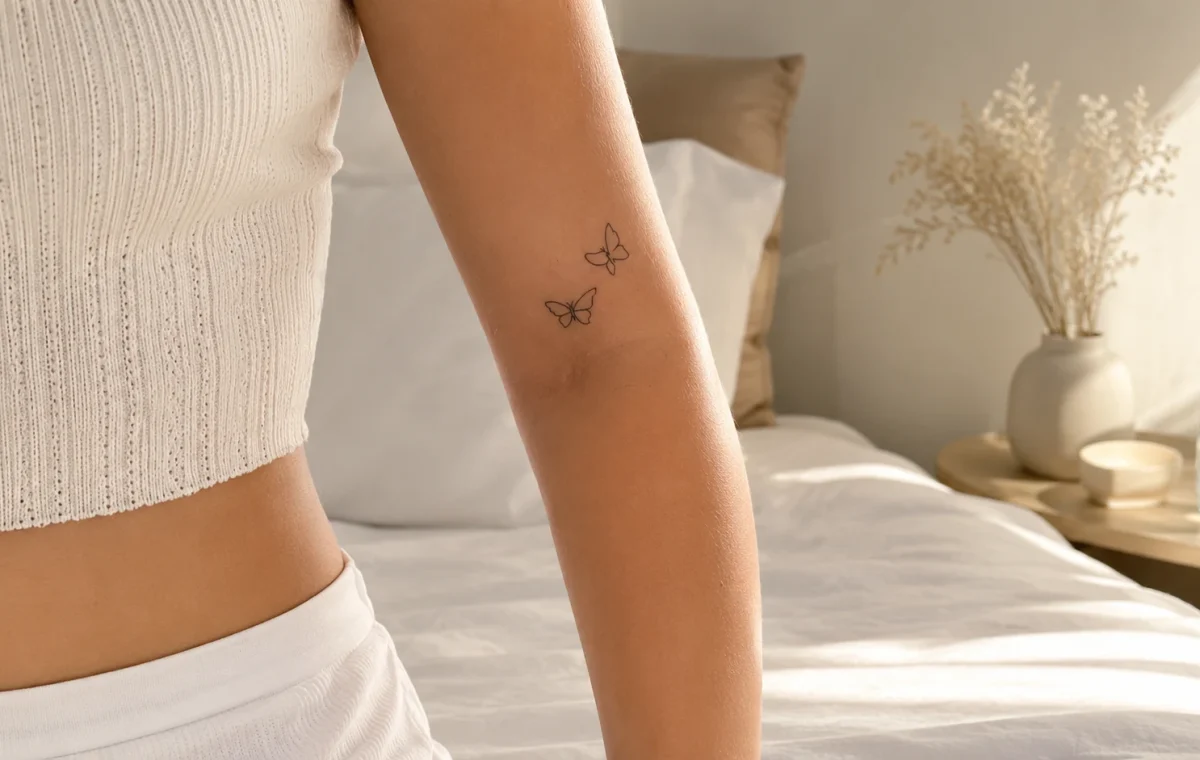
Getting your first tattoo is exciting, but a little nervousness about the pain is normal. Almost everyone feels it. If you are looking for the least painful places to get a tattoo, the good news is that placement makes a real difference in how the whole thing feels.
Let’s be honest up front: no spot is completely pain-free. A tattoo needle works by moving in and out of the skin, so you will feel something. The goal here isn’t zero pain. It’s picking a placement that most people find more manageable, especially for a first small design.
If you want the bigger picture of how different body parts compare, our tattoo pain chart breaks it down area by area. This guide zooms in on the friendlier spots, so you can walk into your appointment feeling a bit more prepared.
Quick answer: The placements most beginners find easier to sit through are the outer forearm, the outer upper arm and shoulder, the outer thigh, the calf, and the upper back or shoulder blade. These areas tend to have more muscle or fat, thicker skin, and fewer sensitive nerve endings than bonier spots. Pain is personal, so use this as a starting point, not a promise.
Quick Answer: Least Painful Places to Get a Tattoo
If you just want the short version, here it is. The placements most beginners find easier to sit through are the outer forearm, the outer upper arm and shoulder, the outer thigh, the calf, and the upper back or shoulder blade.
These areas tend to have more muscle or fat, thicker skin, and fewer sensitive nerve endings than bonier spots. That combination usually makes the experience feel more like heavy scratching than sharp, biting pain.
Pain is personal, though. Two people can get the same tattoo in the same spot and describe it very differently. Use these suggestions as a starting point, not a promise.
Why Some Tattoo Placements Hurt Less
It helps to understand what’s actually going on under the skin. A few simple factors explain why one spot feels calmer than another.
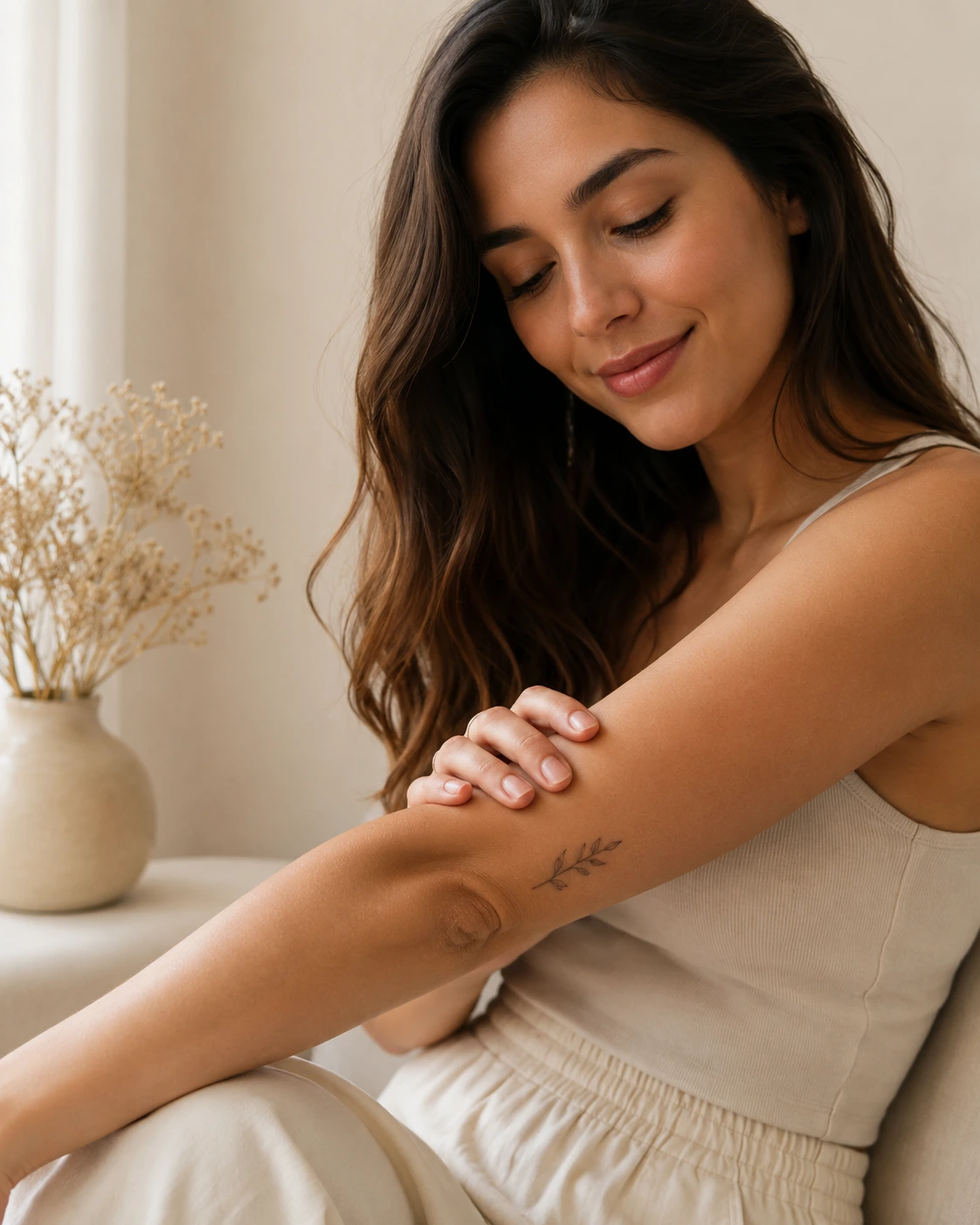
More muscle or fat. Padding acts like a cushion. Areas with a bit of muscle or softness underneath give the needle something to work over besides raw nerve and bone.
Thicker skin. Skin isn’t the same thickness everywhere. Thicker areas tend to handle the needle better than thin, delicate patches.
Fewer nerve endings. Some parts of the body are packed with nerves. Fewer nerve endings in an area usually means a duller, more tolerable sensation.
Less bone vibration. When you tattoo close to bone, the vibration can travel and amplify the discomfort. Fleshier spots absorb more of that buzz.
Less movement and friction. Places that don’t bend, stretch, or rub against clothing all day tend to be calmer during the session and easier while healing.
Shorter sessions for small tattoos. A tiny design simply takes less time. The shorter you’re in the chair, the less your body has to manage. That’s part of why small first tattoos often feel very doable.
Best Low-Pain Places for First Tattoo Placement
These are the spots worth putting near the top of your list. Each one has a mix of comfort, easy healing, and room for a nice small design.
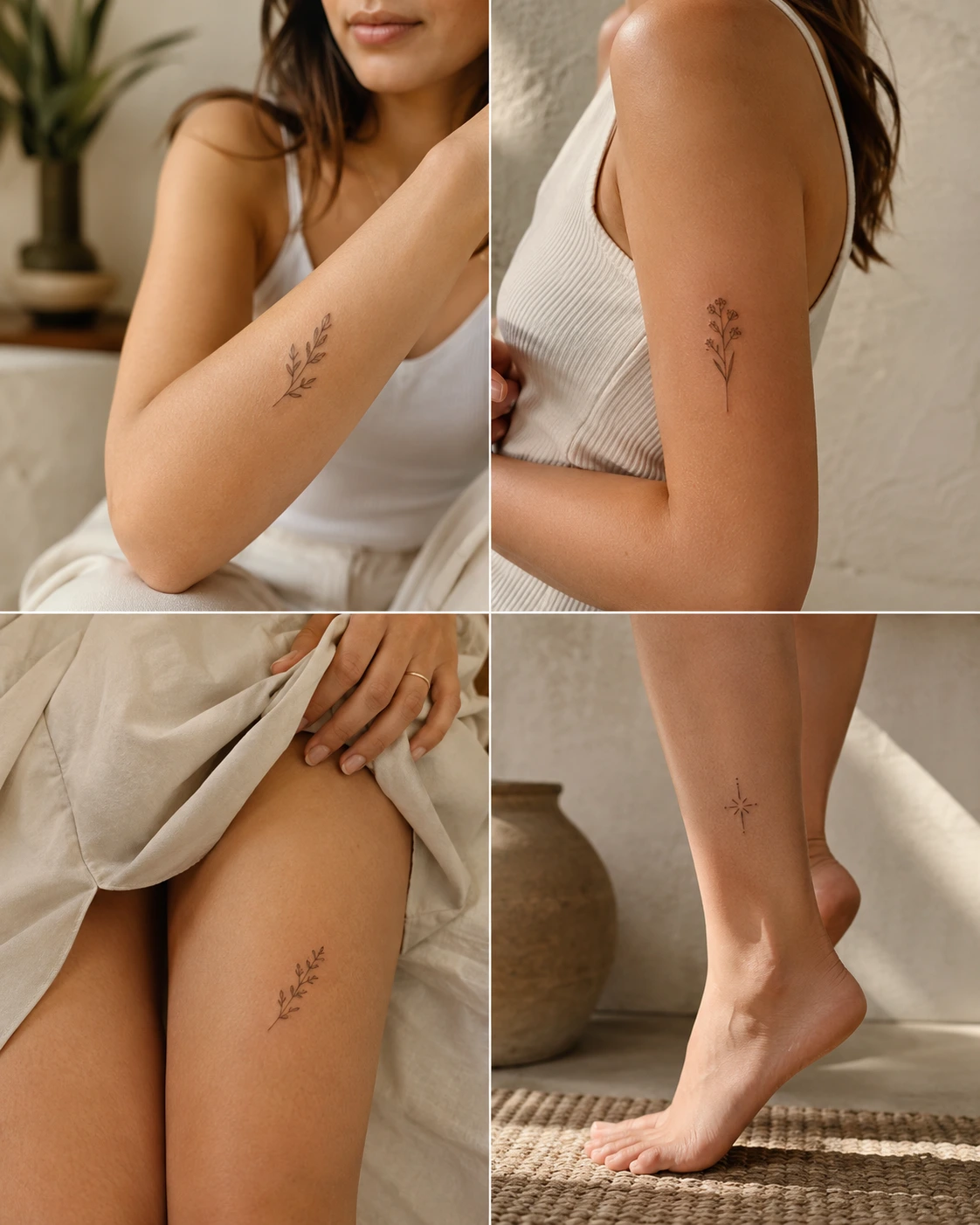
Outer Forearm
The outer forearm is a classic first-tattoo spot, and for good reason. The skin here is fairly thick, and there’s muscle underneath to soften the feeling. Most people describe it as very manageable.
It’s also easy to see, which is great if you want to enjoy your tattoo day to day. Aftercare tends to be simple too, since the area doesn’t rub much and you can keep an eye on it while it heals.
Outer Upper Arm and Shoulder
The outer upper arm and the rounded part of the shoulder are among the most forgiving spots on the body. There’s enough muscle and softness here to take the edge off, and the area sits away from major bones.
This placement suits small symbols, delicate florals, and simple line designs. It’s also easy to cover with a sleeve if you need to hide it for work, which makes it a flexible choice for a first piece.
Outer Thigh
The outer thigh has natural padding, which many people find makes for a comfortable session. It’s also a private spot, so it’s a good pick if you’d rather keep your tattoo out of sight most of the time.
Because there’s more surface area to work with, the outer thigh can handle a slightly larger small design if you want a bit more detail. Just keep in mind it may sit under clothing while it heals, so loose bottoms help.
Calf
The calf is another muscle-rich area, and that padding tends to make it easier to sit through. It’s a solid choice for small, minimalist designs like a little symbol or a short piece of script.
One thing to plan for: the calf can rub against socks, boots, or tight pants. Nothing serious, but comfortable clothing during healing will make life easier.
Upper Back or Shoulder Blade
The upper back and shoulder blade give you a broad, fairly flat canvas, and the fleshier parts are commonly reported as more comfortable. This makes it a nice spot for a small design that you might want to build on later.
Keep in mind that the closer you get to the spine or the top of the shoulder near the bone, the more sensitive it can become. If you’re nervous, ask your artist to keep the design over the softer part of the shoulder blade rather than right along the spine.
Lower-Pain Placements to Be Careful With
Some spots look small and simple but can surprise first-timers. They’re not off-limits, and plenty of people get tattooed here happily. Just go in with realistic expectations.
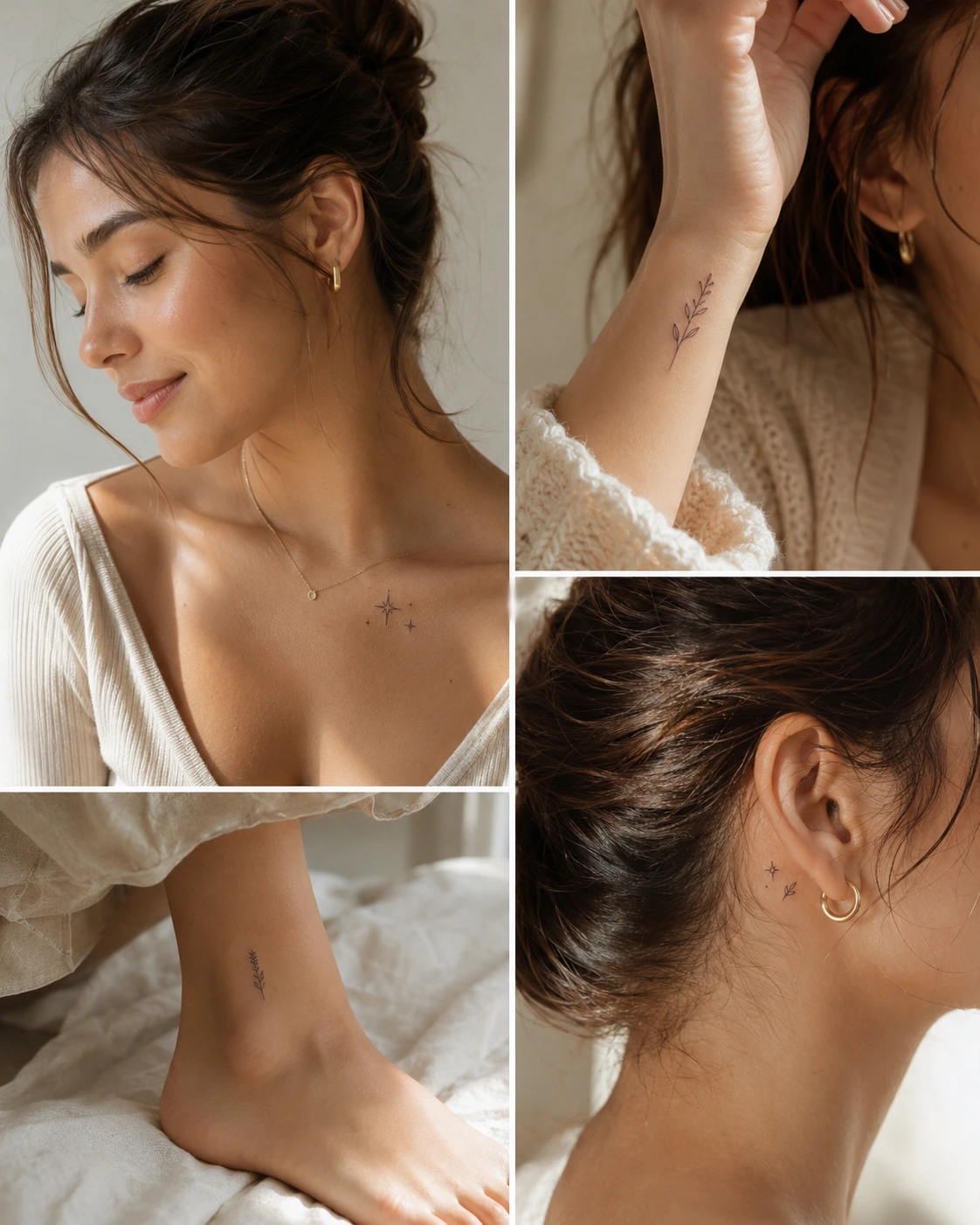
Inner forearm. Softer and more sensitive than the outer forearm. Often fine, but usually a touch more noticeable.
Wrist. A popular tiny-tattoo spot, though the skin is thin and there’s bone close by. Many people manage it well for a small design, but it can feel sharper than the arm.
Ankle. Delicate and close to bone. Small ankle tattoos are common, yet the area can be more tender than beginners expect, and it moves a lot during healing.
Collarbone area. The look is lovely, but the skin is thin and the bone sits right underneath. Commonly reported as more intense than nearby spots.
Behind the ear. A cute, discreet placement, but thin skin over bone can make even a tiny design feel sharp.
If your heart is set on one of these, it can still work beautifully for something small. Talk it through with your artist first.
Placements First-Timers May Want to Avoid
These areas aren’t “bad.” Experienced tattoo lovers get inked here all the time. They just tend to be more intense, which isn’t ideal when you’re still learning how your body reacts.
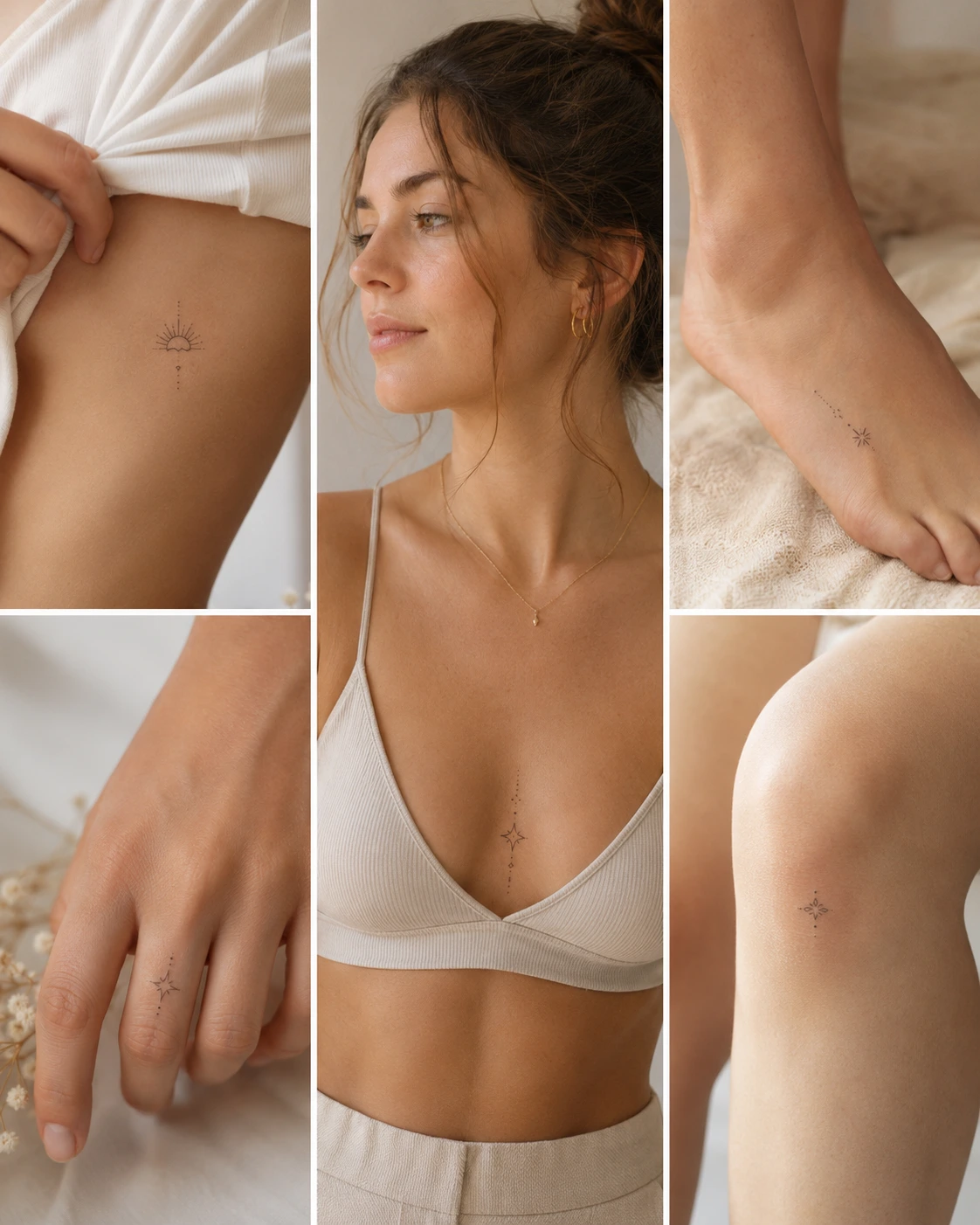
- Ribs — thin skin over bone, plus the movement of breathing
- Sternum — bony and central, often described as very sharp
- Spine — directly over bone, commonly reported as one of the tougher spots
- Fingers and hands — lots of nerve endings, plus they fade faster and need touch-ups
- Feet — thin skin, close to bone, and awkward to heal
- Inner elbow — stretchy, sensitive skin
- Knee and behind the knee — bone, movement, and tender skin all at once
There’s no rule against these for a first tattoo. But if pain is a real worry for you, it’s kinder to yourself to start somewhere gentler and save these for later.
Best Small Tattoo Ideas for Lower-Pain Spots
Once you’ve picked a comfortable area, the fun part begins. Small, clean designs tend to work best on beginner-friendly placements and keep your session short. A few ideas to consider:
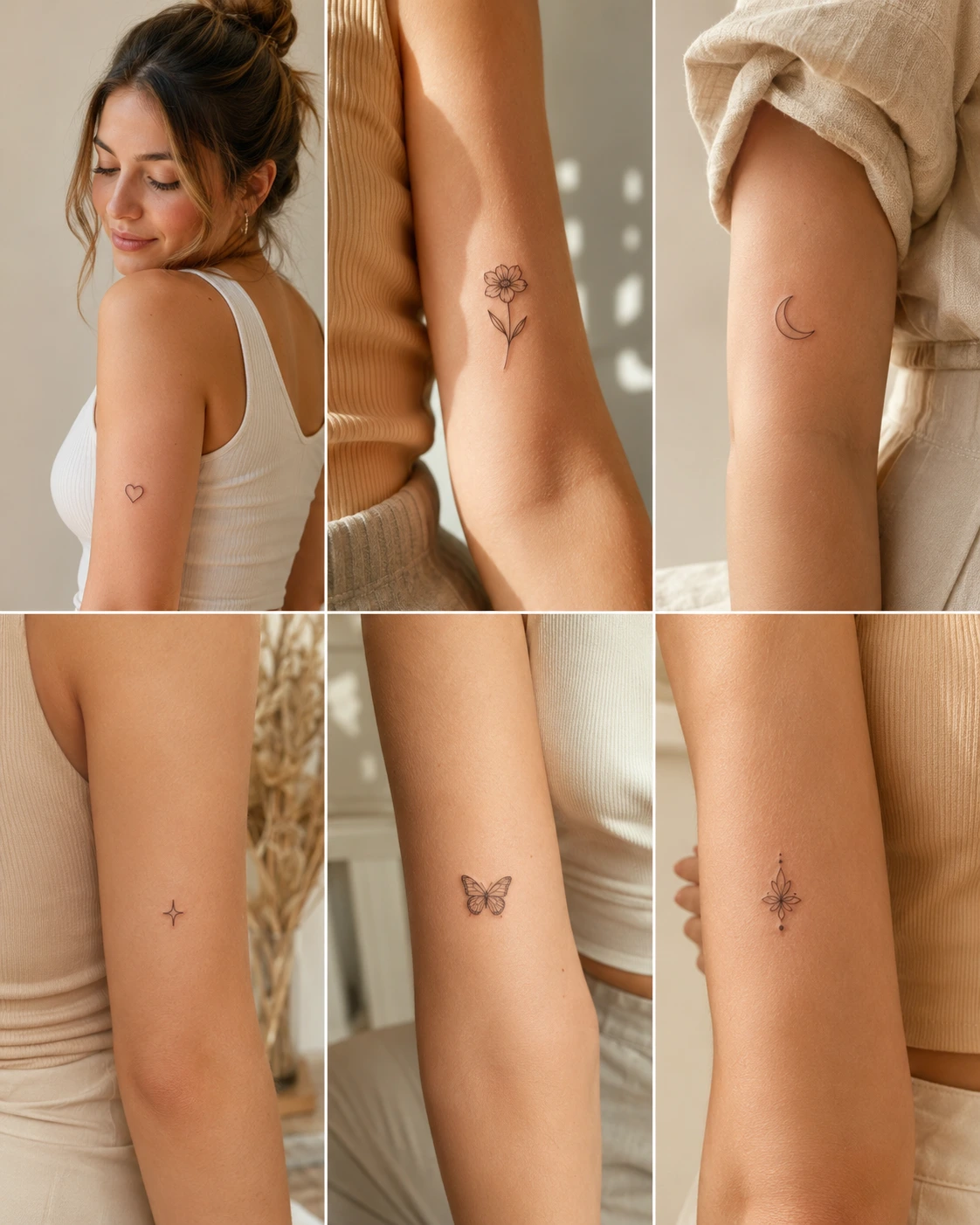
- A small flower
- A tiny heart
- A minimal butterfly
- A short word or piece of script
- A simple moon or star
- A small line-art symbol
Simple doesn’t mean boring. Fine, uncluttered designs often age better than crowded ones, and they suit spots like the forearm, upper arm, and calf perfectly.
How to Choose the Right Spot for You
Placement isn’t only about pain. Your daily life matters too. Ask yourself a few honest questions before you book:
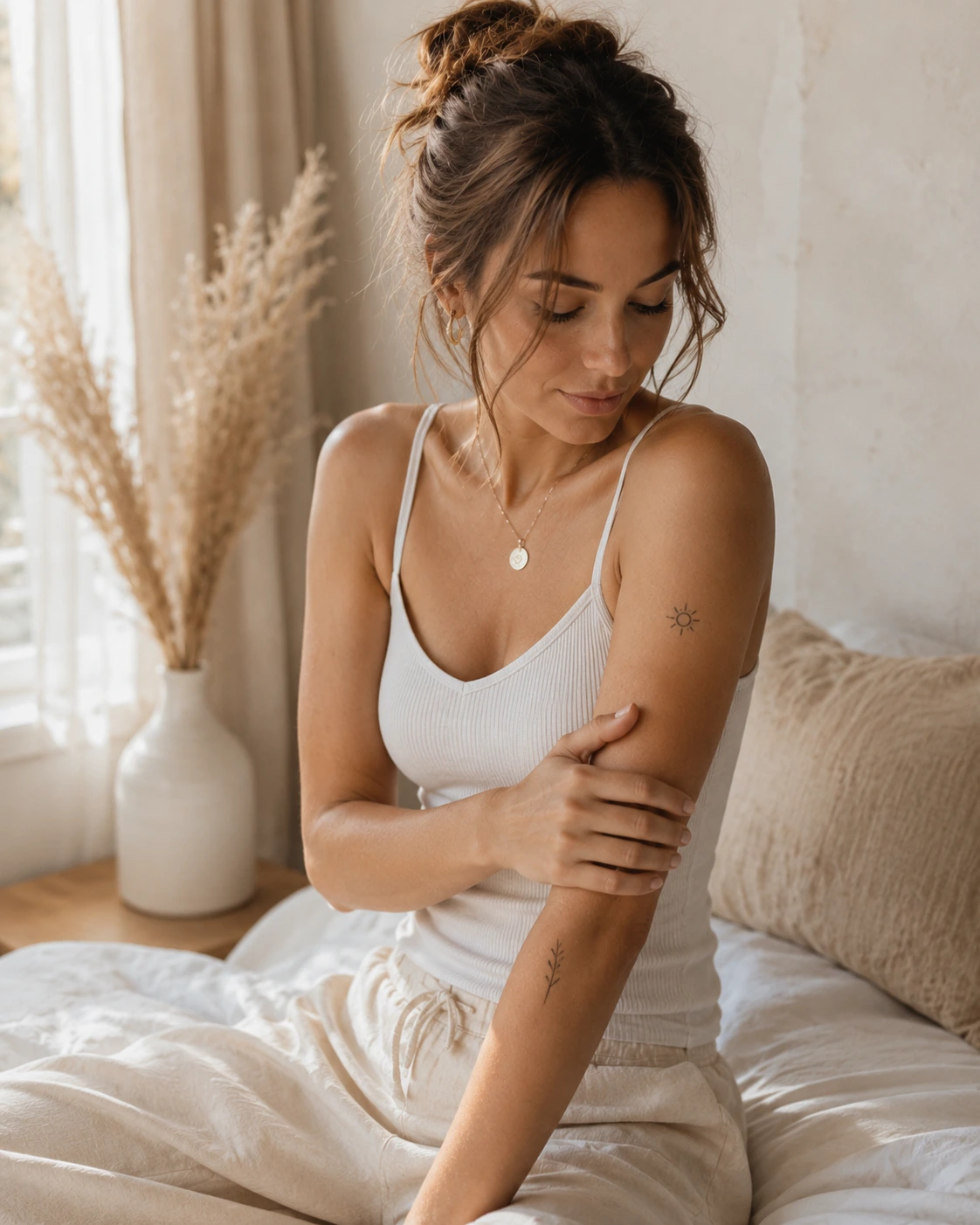
- Do I want it visible, or do I prefer to keep it private?
- Do I need to cover it for work or certain events?
- Do I want easy aftercare with minimal fuss?
- Does this area rub against clothing or shoes a lot?
- Am I feeling nervous about pain, and would a gentler spot help me relax?
Your answers will quietly narrow the list for you. If easy healing is a priority, a spot that doesn’t rub much and is simple to reach will serve you well. Whatever you choose, follow good aftercare from day one — our tattoo aftercare and healing guide walks you through it step by step.
Does a Small Tattoo Always Hurt Less?
Not always, and this trips people up. Size and pain are related, but placement usually matters more.
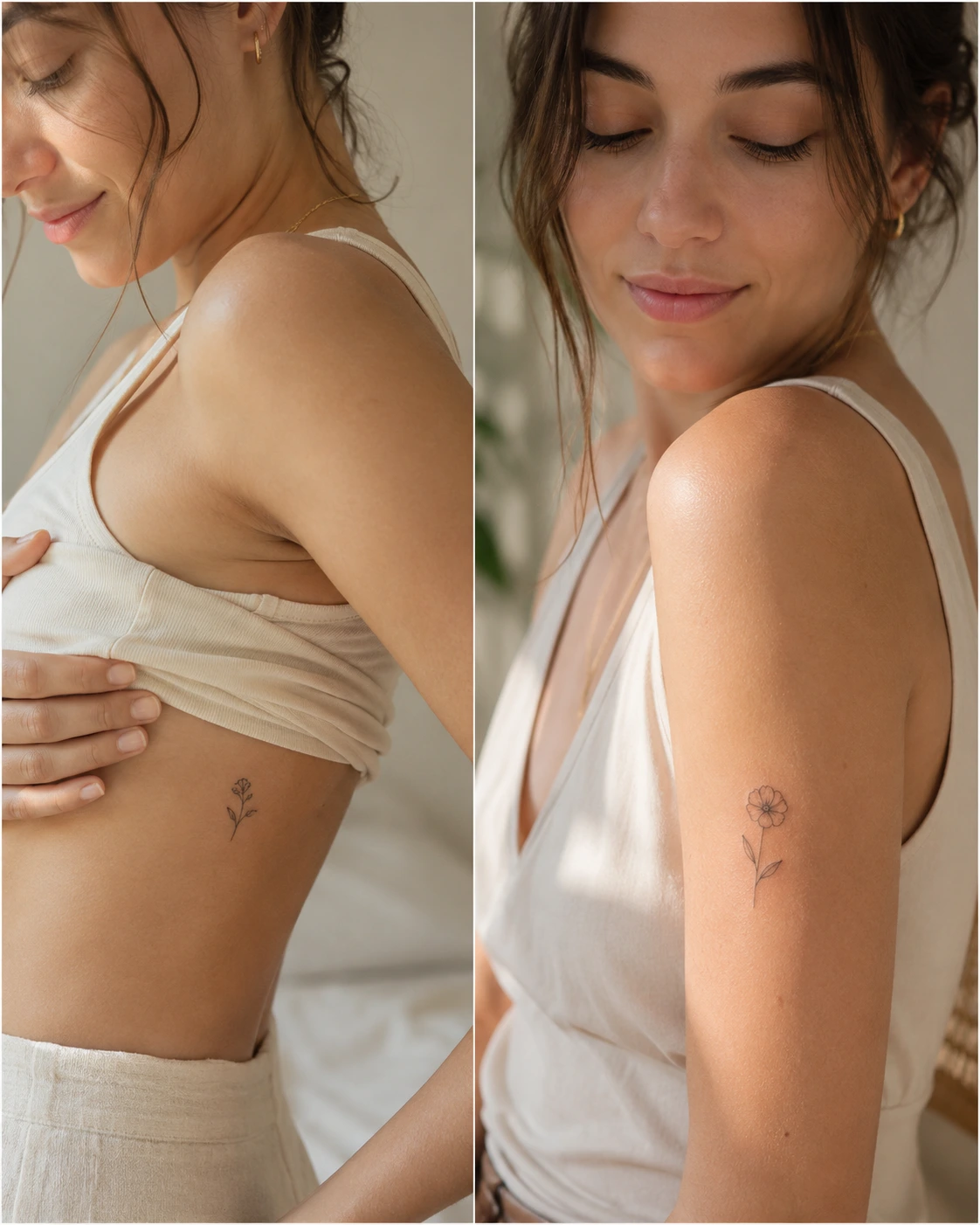
A small tattoo does mean a shorter session, and that’s a genuine advantage. Less time under the needle gives your body less to deal with overall.
Still, the spot you pick shapes the feeling. A tiny tattoo on the ribs can feel more intense than a larger piece on the outer arm. So “small” doesn’t automatically mean “painless.” Think about size and placement together.
How to Make Your First Tattoo Feel More Manageable
A little preparation goes a long way. None of this removes pain completely, but it helps your body cope and keeps you steadier in the chair.

- Eat a proper meal before you go. A steady blood sugar level helps you sit through the session.
- Sleep well the night before. You’ll handle discomfort better when you’re rested.
- Stay hydrated. Staying hydrated can help you feel steadier and more comfortable during the appointment.
- Skip alcohol beforehand. It can make the session harder to manage, and many reputable studios will not tattoo someone who has been drinking.
- Wear comfortable, loose clothing that gives your artist easy access to the area.
- Ask for a short break if you need one. A good artist won’t mind.
- Choose a trusted, licensed artist. A skilled hand and a clean studio make everything smoother and safer.
If you’re curious about numbing creams, be cautious. The FDA has warned about certain over-the-counter topical pain products, so talk to your artist before using anything on your skin.
Common Mistakes When Choosing a First Tattoo Placement
A few slip-ups come up again and again. Knowing them ahead of time saves regret later.
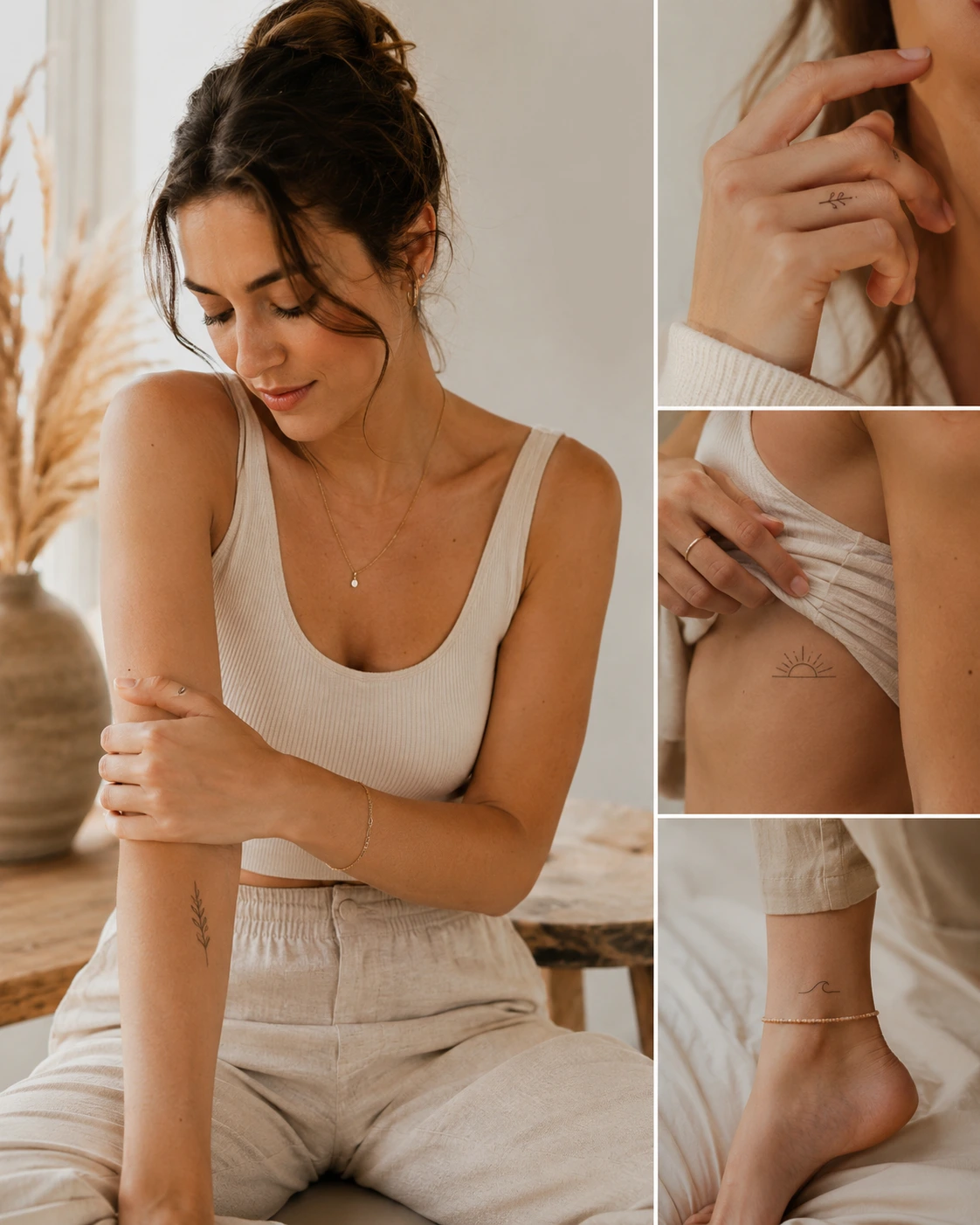
Choosing only for the photo. A placement can look stunning on Pinterest and still be a tough first experience. Balance the look with comfort.
Ignoring clothing friction. Spots that rub against waistbands, bra straps, or shoes can be annoying while they heal. Factor that in.
Picking a very painful spot right away. There’s no prize for starting on the ribs. Ease into it.
Forgetting about aftercare. Healing is half the job. Pick a spot you can actually keep clean and protected.
Getting fingers or hands without knowing the upkeep. These fade fast and often need touch-ups. Lovely, but higher maintenance than beginners expect.
FAQ
What is the least painful place to get a tattoo?
There’s no single winner, but the outer forearm, outer upper arm, outer thigh, and calf are commonly reported as more manageable. They have more padding and fewer sensitive nerve endings than bony areas.
Is the forearm a good first tattoo spot?
Yes, the outer forearm is one of the most popular beginner choices. The skin is fairly thick, healing is straightforward, and it’s easy to see and care for.
Do wrist tattoos hurt?
The wrist is a favorite for tiny tattoos, but the skin is thin and bone sits close by. Many people manage it fine for a small design, though it can feel sharper than the arm.
Are small tattoos less painful?
Usually the session is shorter, which helps. But placement still matters. A small tattoo in a sensitive spot can feel more intense than a larger one in a padded area.
What tattoo spots should beginners avoid?
If pain worries you, it’s often wise to skip the ribs, sternum, spine, fingers, feet, inner elbow, and knees for a first piece. They tend to be more intense.
Is the outer arm or outer thigh better for a first tattoo?
Both are gentle choices. The outer arm is easy to see and show off, while the outer thigh is more private and offers a little more room for detail. It comes down to what fits your life.
How can I prepare for my first tattoo?
Eat beforehand, sleep well, stay hydrated, skip alcohol, wear comfortable clothing, and choose a trusted artist. Small steps that help you feel steadier.
Does tattoo pain get worse during the session?
It can. Some people feel it build as the area gets more worked over, especially near the end. For a small tattoo, though, the session is short, so this is usually mild.
This article provides general educational information and is not a substitute for advice from a licensed tattoo artist or qualified healthcare professional. Pain varies from person to person, so always ask your artist about placement and aftercare for your specific tattoo.
References
- Healthline — Tattoo Pain Chart: Pain Level by Location and Why
- American Academy of Dermatology — Caring for Tattooed Skin
- U.S. Food and Drug Administration — FDA Warns Consumers to Avoid Certain Topical Pain Relief Products